Waterless beauty sounds appealing. Less water in the bottle could mean more concentrated ingredients, less weight to ship, and potentially less packaging.
But here's something worth considering: waterless doesn't automatically mean better, just as water-based doesn't automatically mean diluted.
As interest in waterless beauty grows, it's worth taking a closer look at the role water plays in skincare—and why formulators choose to include it.
Water can be much more than an inexpensive ingredient. It can help dissolve certain active ingredients, create different textures, and make everything from facial mists to cleansers possible.
So before deciding whether water belongs in your skincare, let's get a little nerdy about what it actually does.
Getting nerdy: Three things you might not know about water in skincare
1. Water can be a working ingredient, not just filler
Ever noticed that Aqua is often the first ingredient on a skincare label?
That means water is present at the highest concentration by weight, assuming the ingredients are listed in descending order. But it doesn't tell you whether that water serves a useful purpose.
Some skincare ingredients, including niacinamide, panthenol, and certain forms of vitamin C, dissolve readily in water.
In chemistry, water acts as a solvent, helping dissolve these ingredients and distribute them throughout the formulation.
Without water—or another suitable solvent—some ingredients may not dissolve properly. They could remain as undissolved particles, distribute unevenly throughout the formula, or require a different delivery system to function as intended.
Think about how sugar dissolves in tea but not readily in cooking oil. The liquid matters.
The takeaway: Water isn't necessarily filler. It can be an essential part of how a formula works.
2. Water-based doesn't necessarily mean oil-free
There's a misconception that water-based beauty products are free from oils. But that's not necessarily true.
We know oil and water don't naturally mix. So how can a water-based moisturizer contain both?
The answer is emulsifiers—ingredients that help keep oil and water mixed together. This allows formulators to combine water-soluble ingredients, such as niacinamide, with oils that help soften skin and reduce moisture loss.
The resulting mixture is called an emulsion, and it's how many everyday lotions and creams are made.
The takeaway: Water-based describes the foundation of a formula, not everything it contains. A water-based product can still include oils and oil-soluble ingredients.
3. More concentrated doesn't necessarily mean more effective
If you remove water from a formula, the remaining ingredients may represent a higher percentage of the product.
But does that make it more effective?
Not necessarily.
Different ingredients work best at different concentrations. Some need to be dissolved, while others require specific conditions to remain stable or compatible with the rest of the formula.
More isn't always better. The goal is a well-formulated product, not simply the highest possible concentration of ingredients.
Six water-based beauty products—and why water matters in each
Water can play very different roles depending on the product.
To see how water functions in different formulations, let's explore six water-based products from brands participating in the 2027 Clean Beauty Awards.
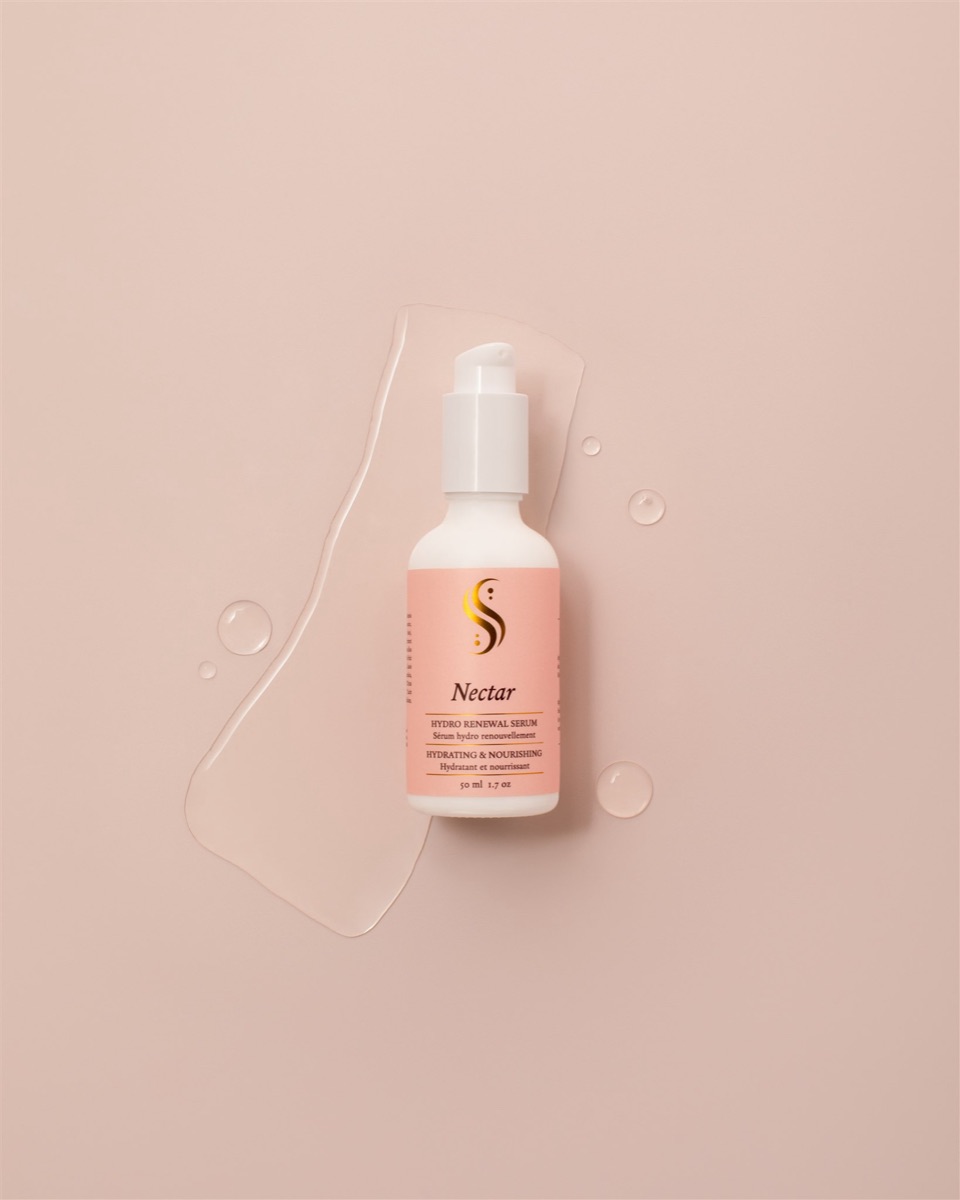
1. Sage's Sparrow Skincare — Nectar ~ A Barrier-Building Hydration Serum
The formulation focus: Botanical hydrosols and moisture-binding ingredients
Nectar ~ A Barrier-Building Hydration Serum is a lightweight gel serum formulated to address dehydration and support skin comfort. Its water-based foundation includes house-distilled lemon balm hydrosol rather than relying solely on plain distilled water. Tremella mushroom contributes moisture-binding polysaccharides, sea kelp bioferment provides skin-conditioning properties, and marshmallow root is included for its soothing qualities. The aqueous foundation helps incorporate these botanical ingredients into a silky gel designed to spread easily without a heavy finish. Rooted in a barrier-first philosophy, the brand uses botanical waters to deliver lightweight, readily absorbed hydration.
Something to know: A hydrosol is an aromatic water produced during botanical distillation. It can form part of a product's water phase while contributing characteristics of the distilled plant.
Sage's Sparrow Skincare · @sagessparrowskincare
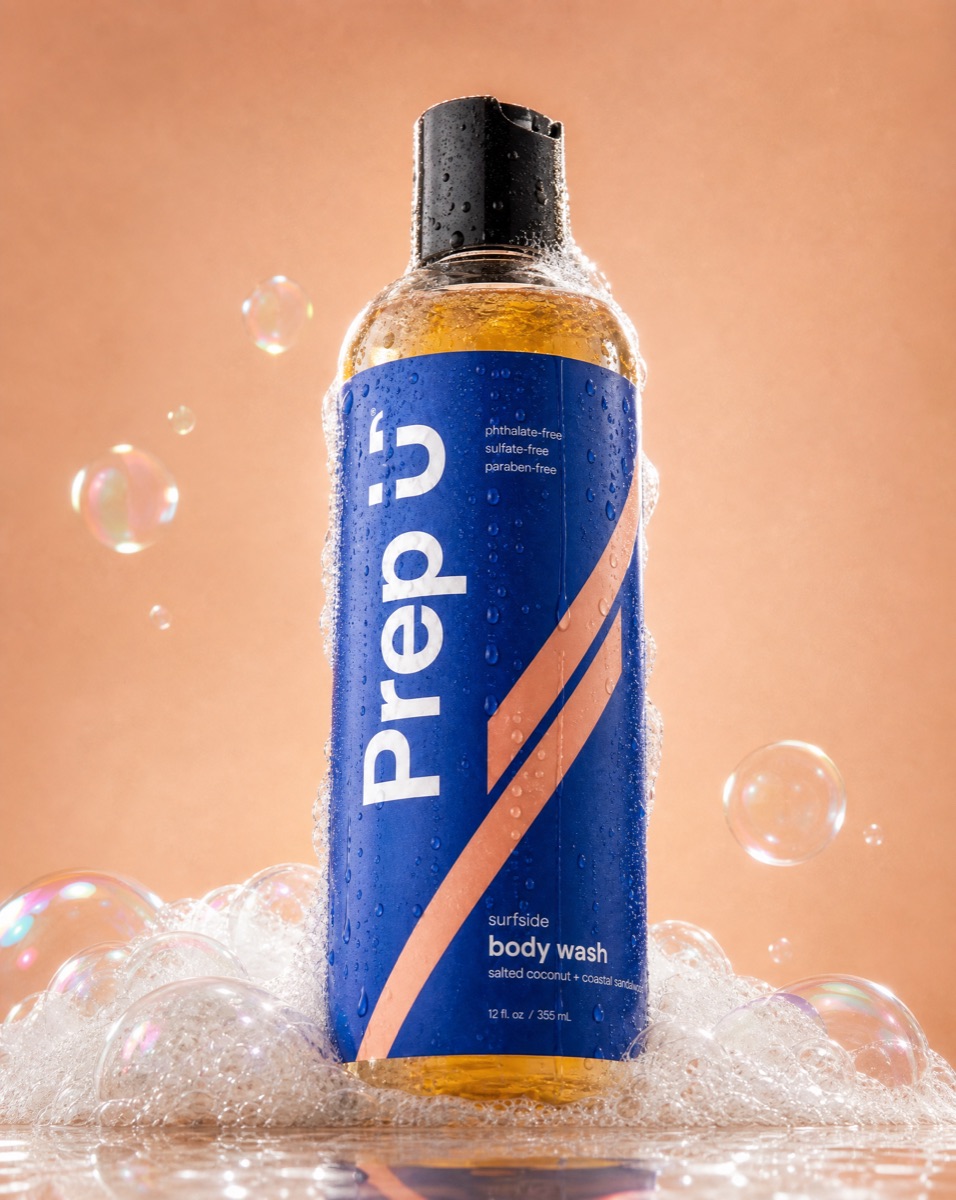
2. Prep U — Surfside Body Wash
The formulation focus: Cleansing ingredients in a rinse-off format
Surfside Body Wash is a fluid cleanser formulated for active teens who may shower frequently after sports or swimming. Spring water provides the base, helping incorporate and distribute its cleansing ingredients, including sodium cocoyl apple amino acids and a soap base made from coconut, castor, olive, and sunflower oils. These ingredients are intended to lift sweat and grime while creating a soft, creamy lather. The water-based format allows the wash to spread easily and rinse away without a heavy residue.
Something to know: Surfactants help water interact with oils and dirt so they can be washed away. Water and surfactants play different but complementary roles in cleansing.
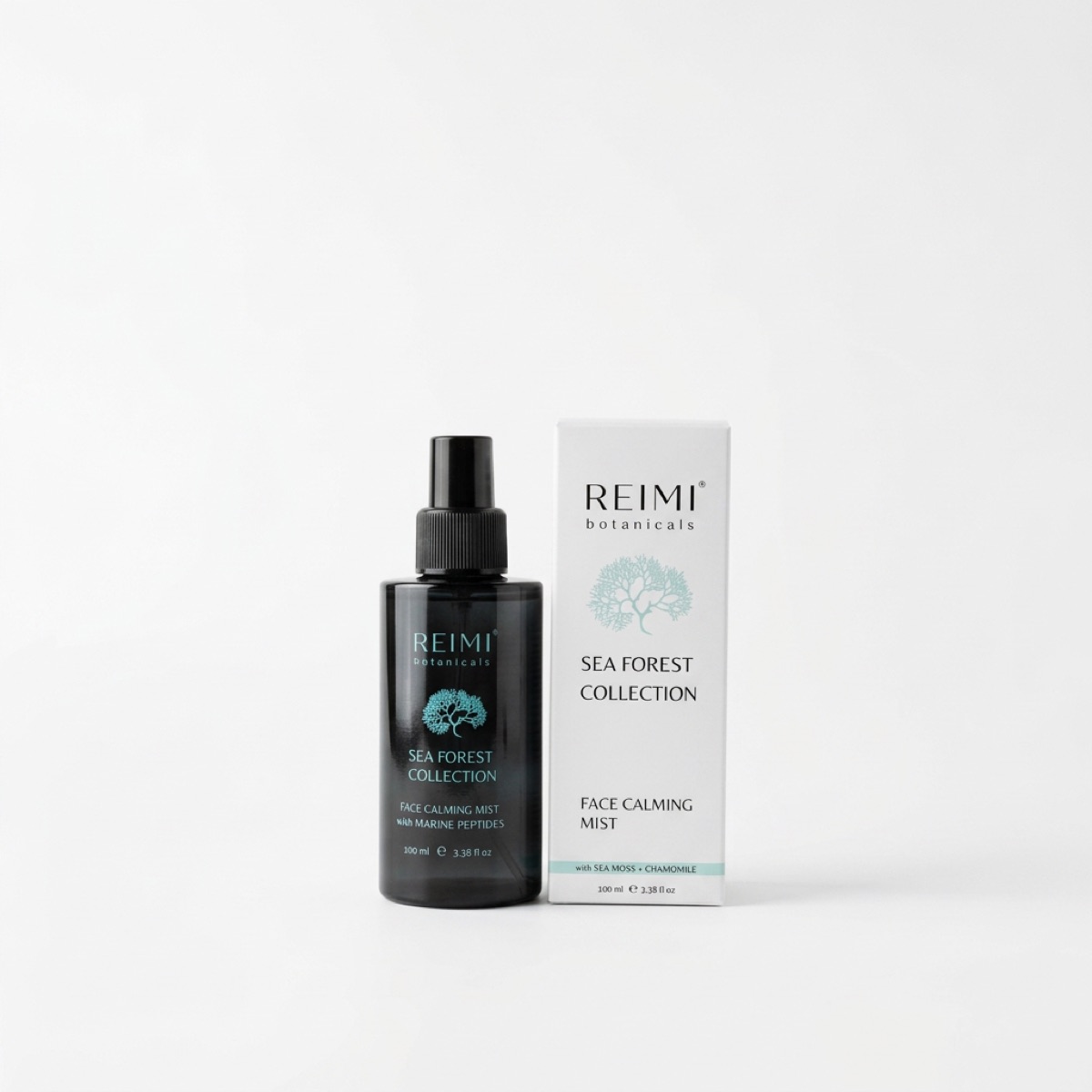
3. REIMI Botanicals — Sea Forest Collection Face Calming Mist
The formulation focus: Hydration in a fine-mist format
Sea Forest Collection Face Calming Mist uses blue chamomile and cucumber botanical waters as part of its aqueous foundation. Designed for dry, tight, or sensitive-feeling skin, the formula includes hydrolyzed pearl for skin conditioning, alongside sea moss and other moisture-supporting ingredients. The water-based format makes possible a lightweight, fine mist that can be applied after cleansing, layered beneath other skincare products, or used throughout the day. The brand describes it as a non-drying alternative to traditional toning steps.
Something to know: Humectants are ingredients that attract and bind water. But maintaining skin hydration also involves limiting moisture loss, which is why facial mists and moisturizers can serve complementary purposes.
REIMI Botanicals · @reimibotanicals
4. RINGANA — FRESH toner calm
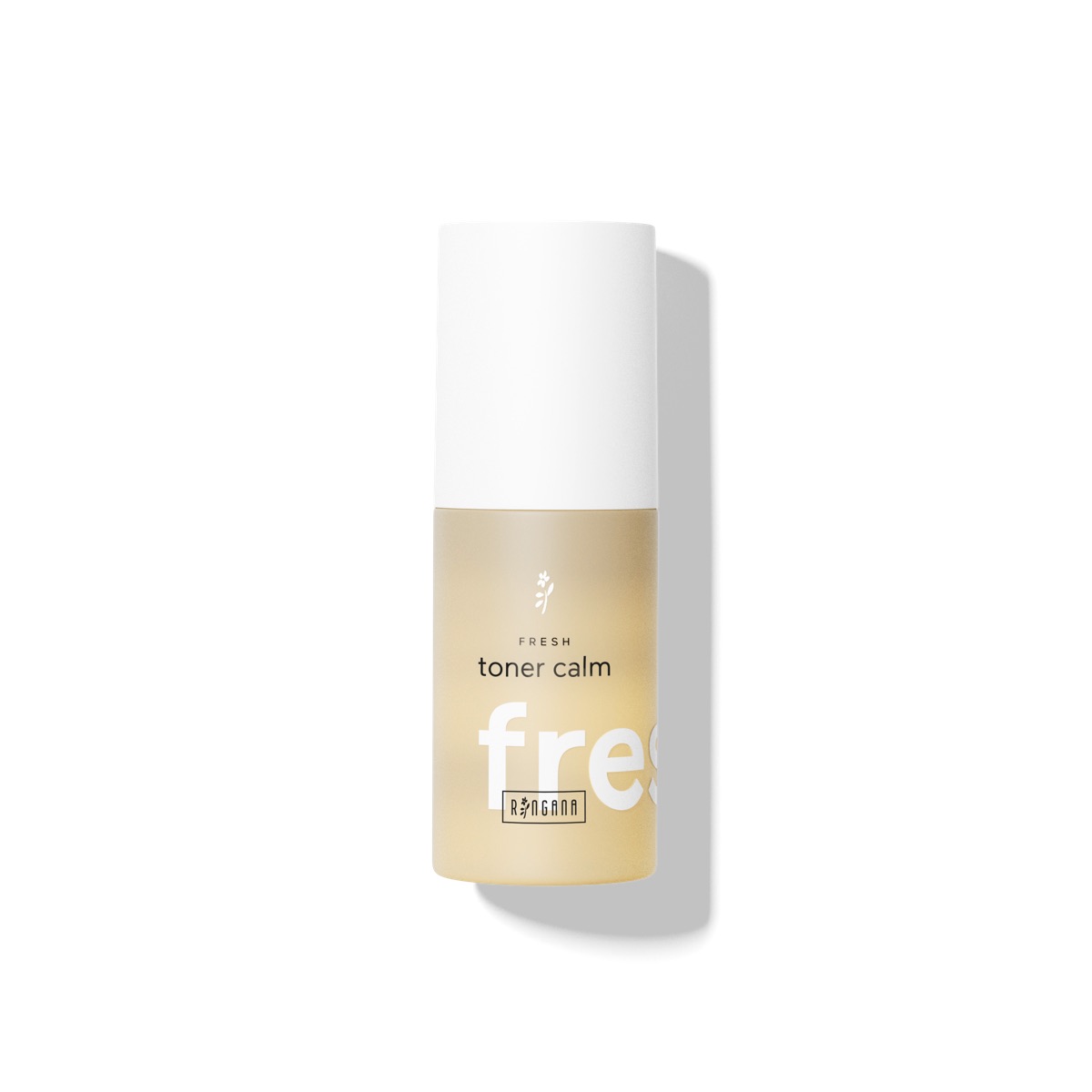
The formulation focus: Aloe vera as a functional liquid foundation
FRESH toner calm uses 60% aloe vera plant juice as a major component of its water-rich foundation. Formulated for dry, sensitive, and stressed-feeling skin, it combines aloe with Lactobacillus ferment lysate and mulberry leaf extract, selected for their skin-conditioning and barrier-supporting properties. The liquid phase helps incorporate and distribute these ingredients while creating a refreshing toner texture. Designed for use after cleansing, the fine mist is intended to absorb quickly without leaving a heavy or sticky finish.
Something to know: A water-based product doesn't have to rely on plain water alone. Aloe vera juice and botanical hydrosols are water-rich ingredients that can contribute to a formula's aqueous phase.
5. Omayma Skin — Active Rejuvenation Oasis Serum
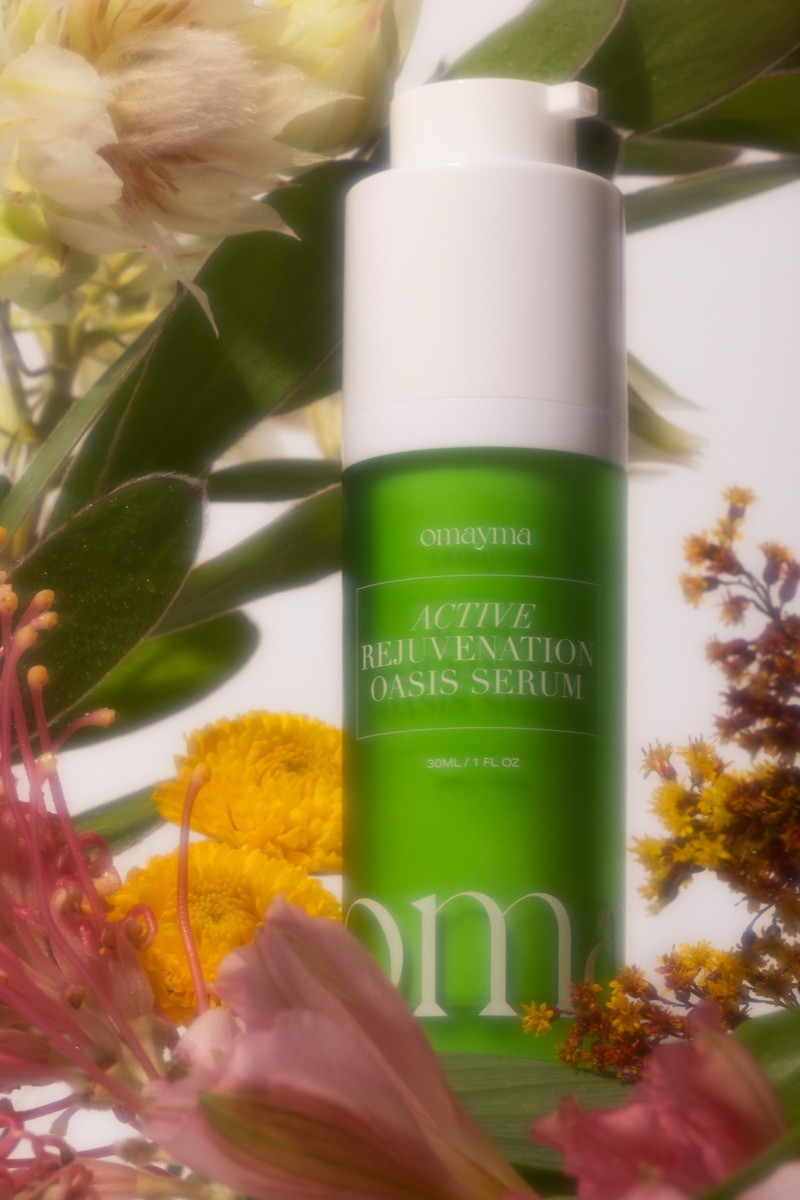
The formulation focus: Water-soluble actives and oil-in-water emulsions
Active Rejuvenation Oasis Serum is formulated to address uneven skin tone and dark spots, particularly for skin sensitive to some traditional vitamin C formulas. Its water phase helps dissolve ingredients including sodium ascorbyl phosphate, a water-soluble vitamin C derivative, and niacinamide. Ferulic acid contributes antioxidant support. The formula also incorporates squalane and botanical oils in an oil-in-water emulsion, creating a lightweight lotion texture designed for morning use beneath facial oil and sunscreen.
Something to know: Water-based doesn't mean oil-free. Emulsions allow formulators to combine water-soluble and oil-soluble ingredients in one product, with emulsifiers helping keep the mixture stable.
6. Colorado Aromatics — Elder B Essence
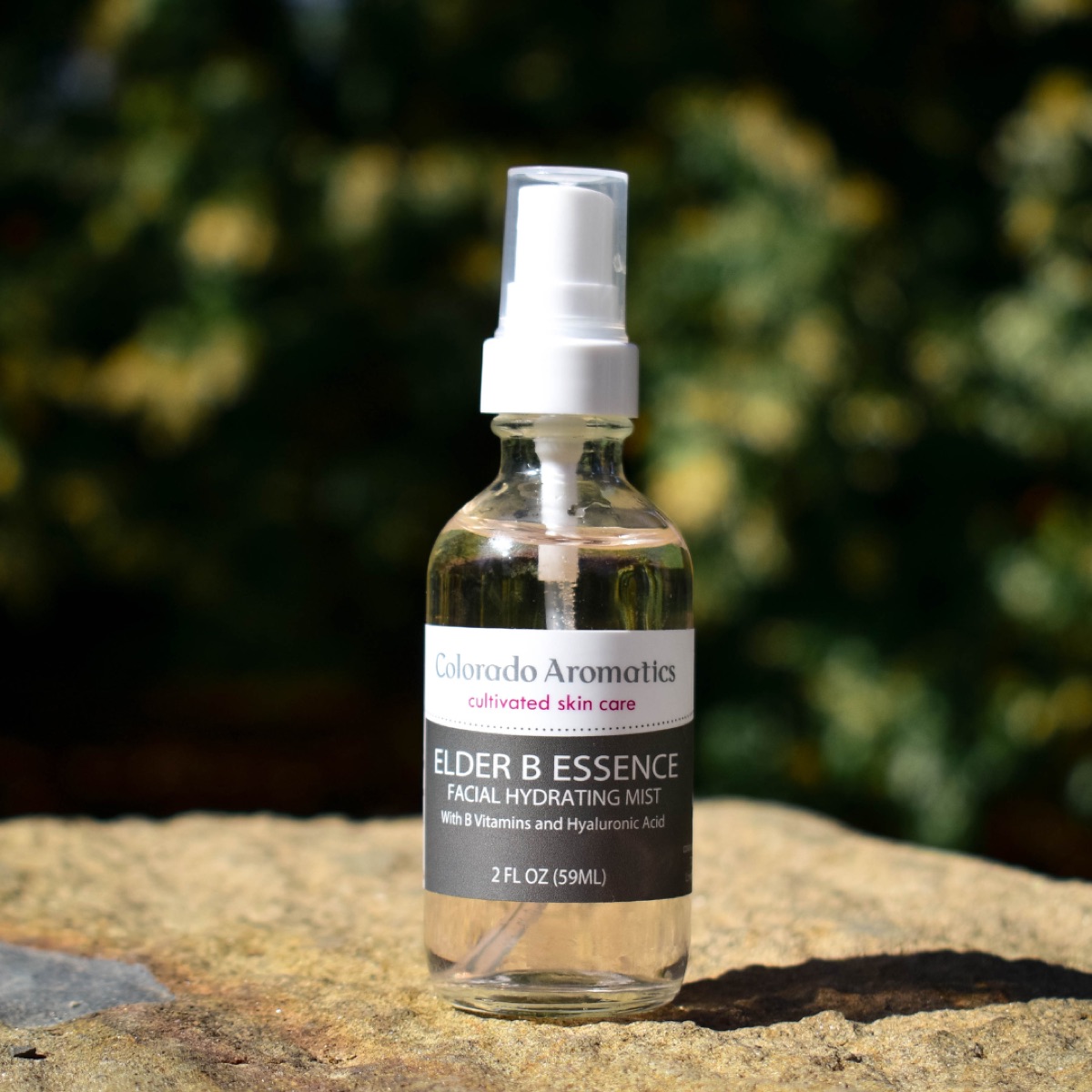
The formulation focus: Farm-distilled hydrosols as a delivery medium
Elder B Essence is a lightweight facial mist developed with dry, environmentally exposed skin in mind. Its aqueous foundation includes farm-distilled lavender, fennel, and lemon balm hydrosols. These provide a medium for incorporating hyaluronic acid and B vitamins, including niacinamide and panthenol, selected for their hydration and skin barrier-supporting properties. The water-like essence is designed to be spritzed after cleansing, before moisturizer, or over makeup throughout the day.
Something to know: Two water-based products can feel and function very differently. A facial essence, cleansing wash, and treatment serum may all contain water, but their complete ingredient systems determine what they actually do.
Colorado Aromatics · @coloradoaromatics
Water-based or waterless: What's the better choice?
The more you learn about cosmetic formulation, the harder it becomes to declare one approach universally better.
Waterless products can offer advantages in portability, concentration, and certain aspects of packaging or shipping. Water-based products make possible different ingredient combinations, textures, and applications.
Both approaches involve trade-offs.
A product's performance, safety, and environmental impact depend on far more than whether water appears on its ingredient list.
The six water-based products featured here are among the entries in the 2027 Clean Beauty Awards, where an independent judging panel evaluates products based on performance. Whether a product is water-based or waterless isn't, by itself, a measure of how well it performs.
Curious about what happens when formulators leave water out? Our companion article on waterless beauty is coming soon.
There's more to a beauty formula than what's included—or left out. Understanding why ingredients are used, how they work together, and what trade-offs they involve can help us make more informed choices.
Explore the 2027 Clean Beauty Awards to discover more participating brands and products.
Stay connected with the latest in clean beauty by following @CertCleanInc on Instagram!


