Environmental Efforts Clean Beauty Brands are Making in 2025
From responsible sourcing to smarter packaging, these brands break down the environmental actions driving real change.Sustainability in clean beauty has moved beyond surface-level promises. In 2025, the brands making the biggest impact are the ones backing their values with measurable action—rethinking packaging, tightening supply chains, investing in responsible sourcing, and building systems that reduce waste at every stage of production.
This round-up highlights clean beauty brands that are actively reducing their environmental footprint. Each brand shares the specific initiatives they’ve implemented, the challenges they set out to solve, and how those efforts are creating real change. From behind-the-scenes process improvements to long-term sustainability commitments, these brands show what environmental responsibility looks like when it’s built into the business.
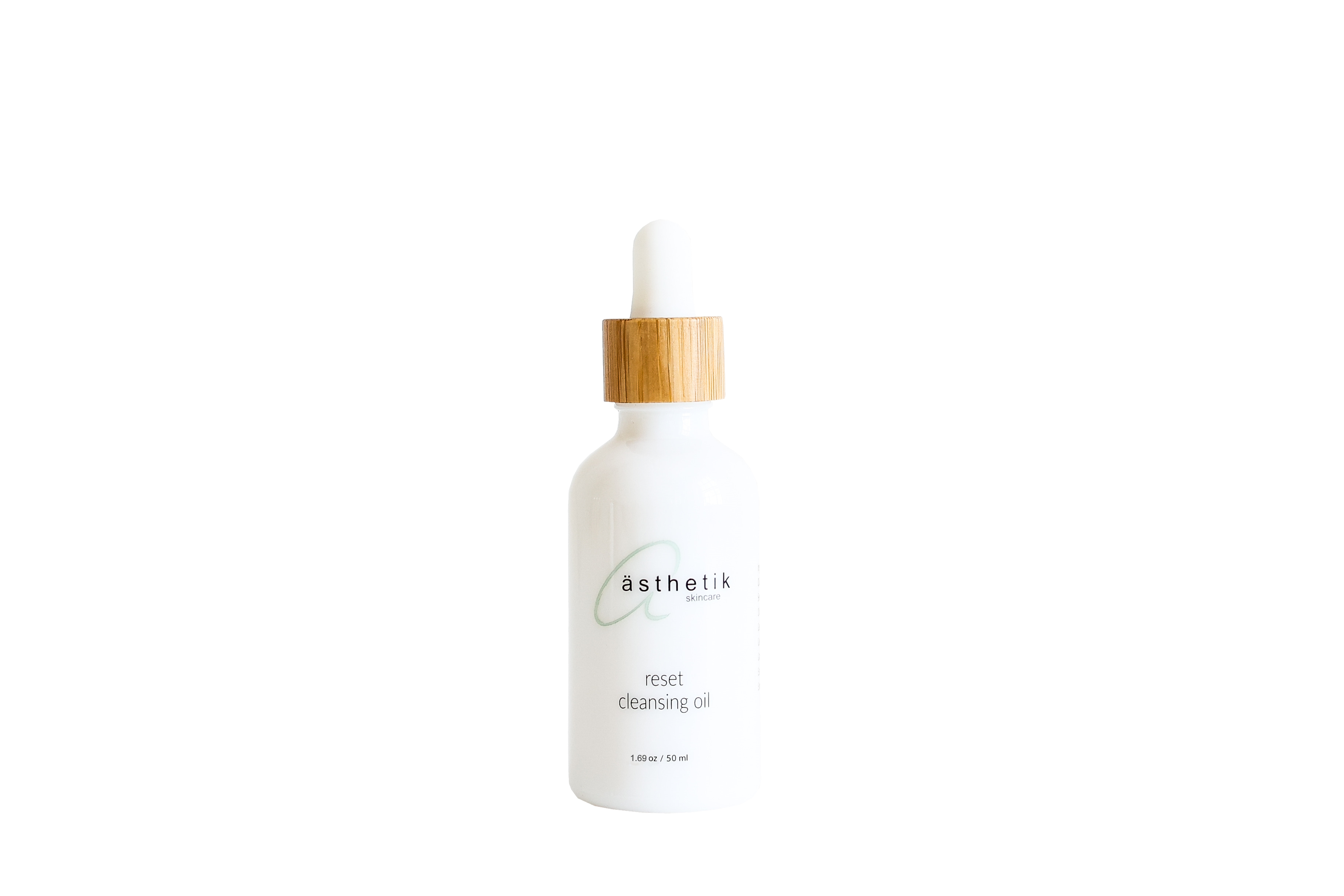
Key Sustainability Initiatives: At asthetik skincare, sustainability is at the core of everything they do. asthetik prioritizes eco-friendly packaging, their products use recyclable glass, bottles made from sugarcane, and minimal plastic to reduce waste. asthetik partners with suppliers who practice ethical, organic, and sustainable farming for clean, responsible sourcing. Our formulations are crafted in small batches to minimize environmental impact, and keep production carbon conscious. This has been the company's focus since day one, and they have plans to continue.
Impactful Efforts: asthetik skincare is committed to sustainability through its dedication to ocean conservation and eco-friendly product formulations. Recognizing the harmful impact of chemical sunscreens on marine life, the brand developed a line of reef-safe mineral sunscreens that protect both skin and the environment. Additionally, ästhetik skincare prioritizes minimal-waste packaging by using recyclable materials and reducing excess plastic in product design. These efforts reflect the brand's mission to create clean, effective skincare that supports both individual well-being and the planet’s health.
What's Next: ästhetik skincare is dedicated to expanding its sustainability efforts with a stronger focus on reducing its carbon footprint. The brand is actively exploring refillable packaging options to minimize waste and extend product life cycles. Additionally, ästhetik skincare is committed to sourcing more ingredients for future products from sustainable farms that prioritize ethical harvesting practices. These initiatives align with the brand’s ongoing mission to create clean, effective skincare while protecting the planet.
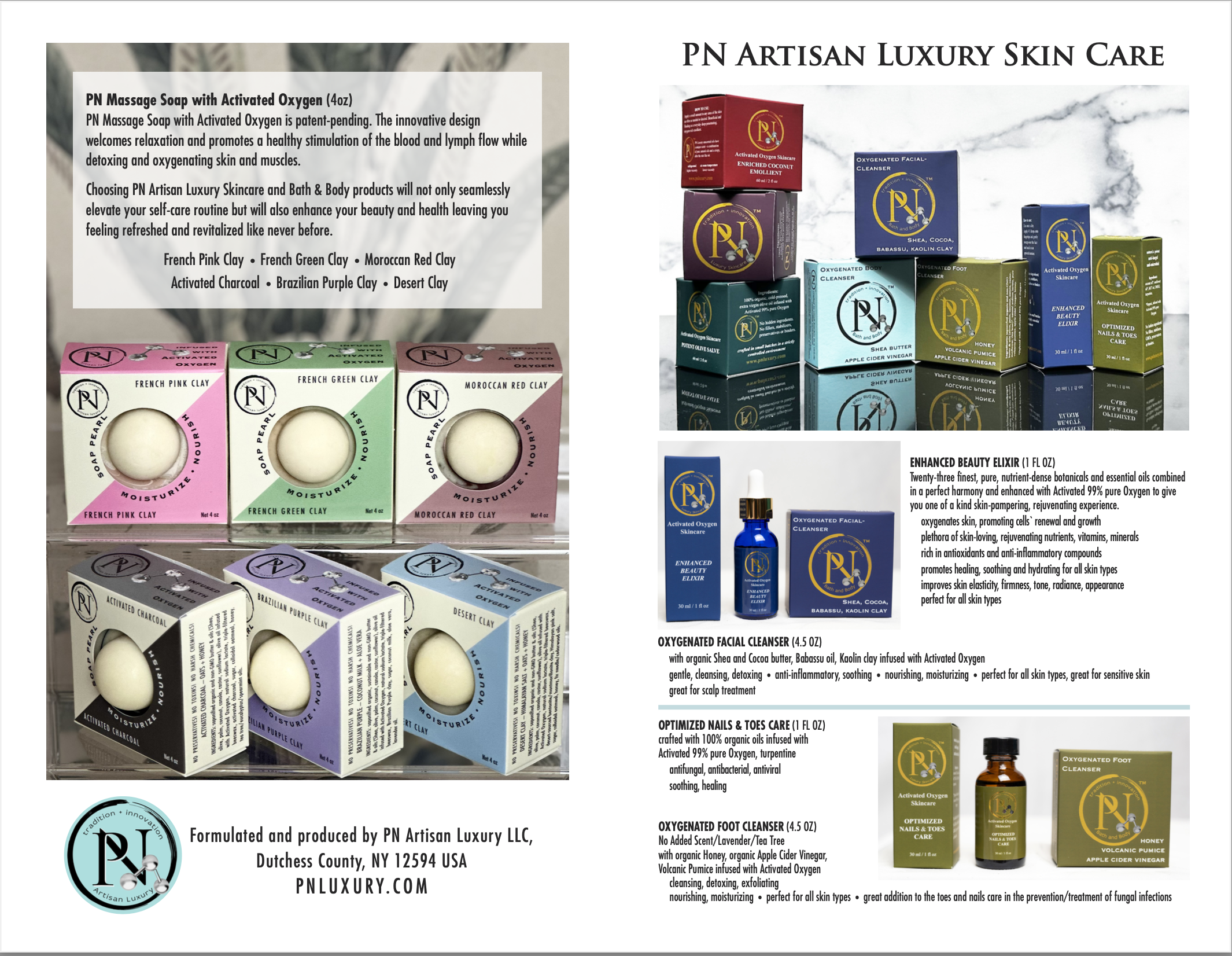
Key Sustainability Initiatives: No byproducts are produced or utilized during the crafting of PN Artisan Luxury products. No plastic or aluminum is used for packaging. Packaging is biodegradable and non-toxic, paper boxes and glass containers, natural and unbleached cotton pouches for packaging.
Impactful Efforts: No byproducts, no plastic, and no aluminum are used for crafting and packaging.
3. Earth Ahead
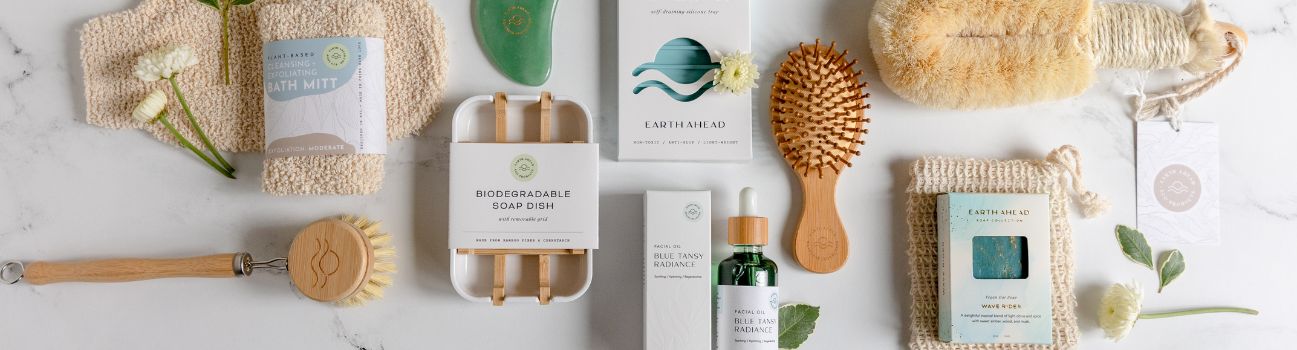
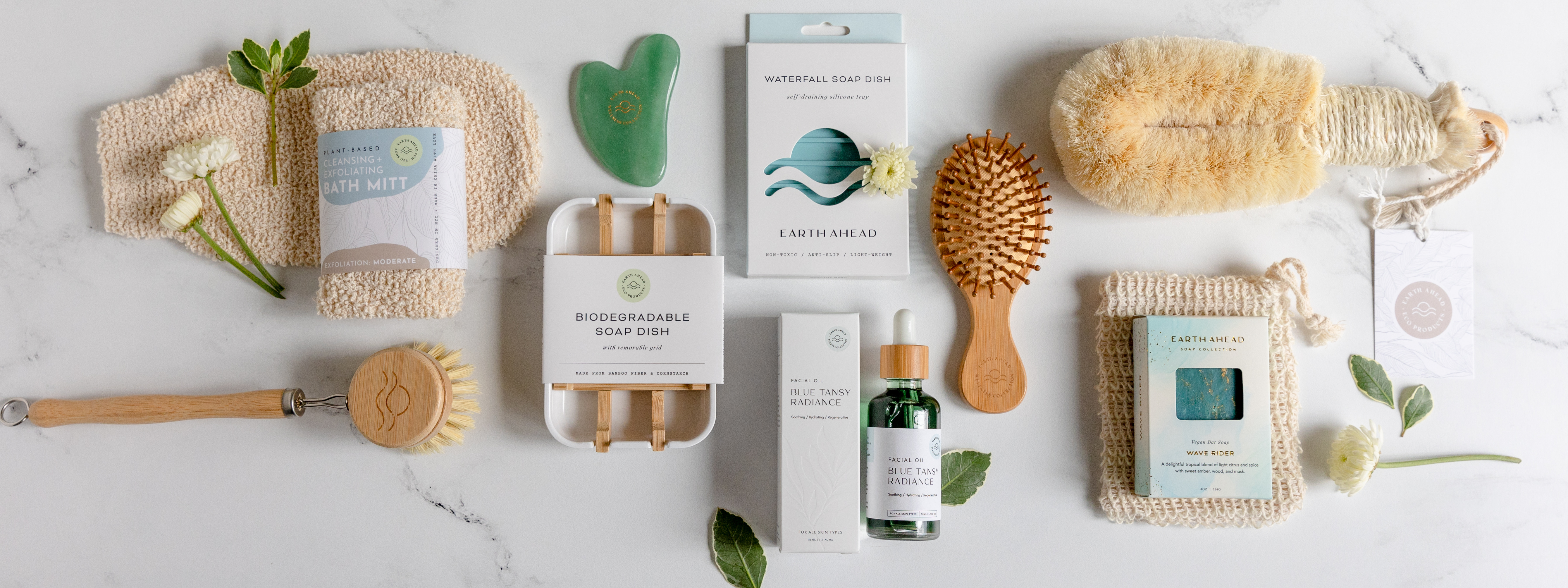
Key Sustainability Initiatives: Earth Ahead is an eco-friendly lifestyle brand committed to offering sustainable alternatives that reduce waste and support a healthier planet. The brand prioritizes plastic-free, compostable, and recyclable packaging, and many of its products are completely package-free or minimally labeled. Earth Ahead carefully sources natural, non-toxic materials and partners with suppliers who share its commitment to ethical, sustainable production. Products are shipped in recycled and recyclable materials, and without plastic tape or fillers. The brand also offers a curated selection of reusable, long-lasting essentials to help customers reduce their environmental footprint. Every decision—from product design to delivery—is made with sustainability in mind.
Impactful Efforts: One of Earth Ahead’s most impactful efforts is reducing plastic in the bathroom and kitchen—two areas where waste tends to add up quickly. Earth Ahead also runs on 100% green energy and supports reforestation efforts by planting trees to offset the use of natural resources and carbon emissions. These initiatives help lower the brand’s environmental impact while encouraging more conscious living.
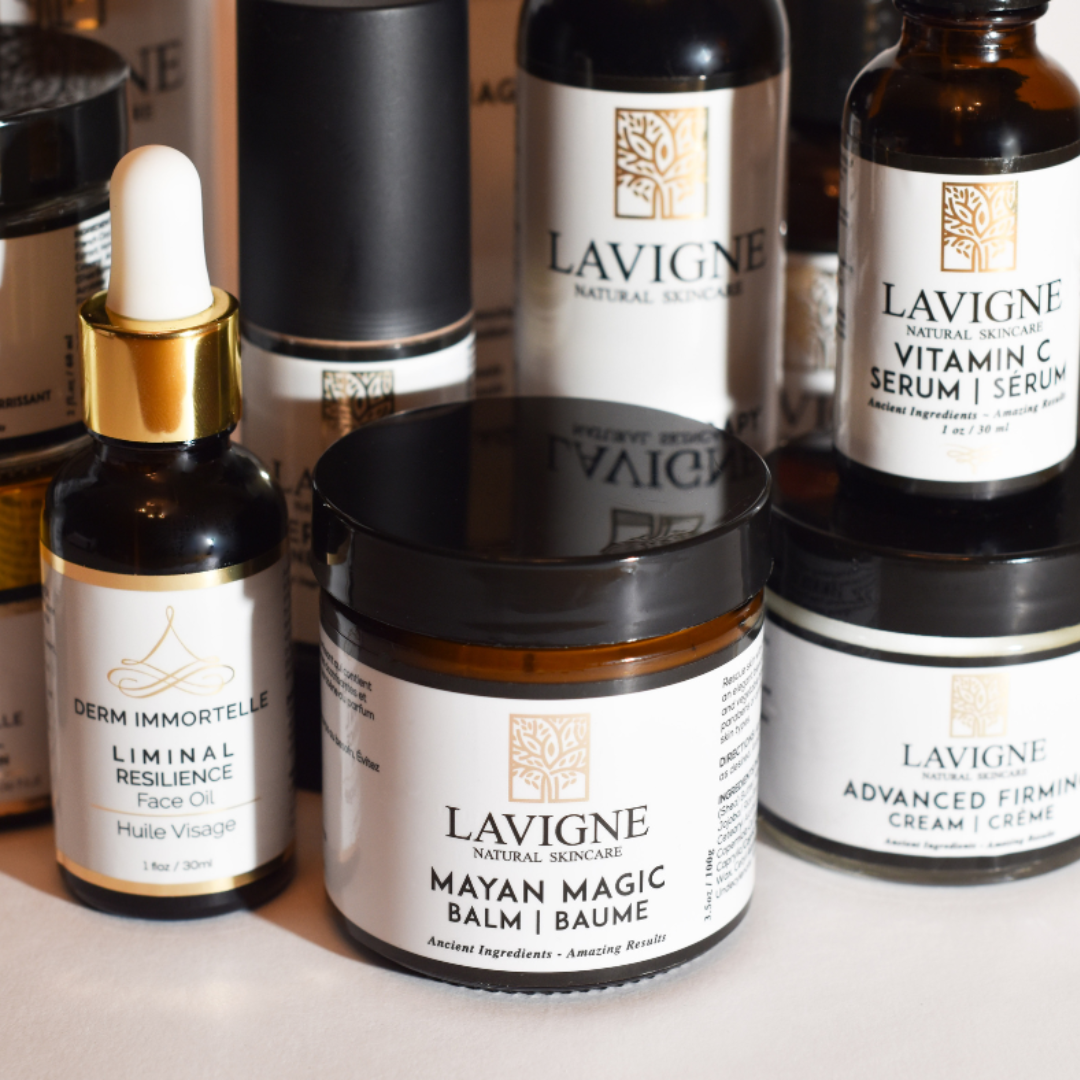
Key Sustainability Initiatives: LaVigne Natural Skincare takes a proactive approach to sustainability by utilizing glass jars for the majority of its products, eliminating the need for unnecessary external packaging. The brand is dedicated to reducing waste by reusing packing materials and boxes for shipping, contributing to less environmental impact. Additionally, LaVigne prioritizes locally sourced printing materials, including posters, to reduce its carbon footprint and support local businesses. By adopting these sustainable practices, LaVigne ensures that every step of its production and distribution process is aligned with environmental responsibility, while still offering high-quality, eco-conscious skincare products.
Impactful Efforts: A key sustainability effort for LaVigne Natural Skincare is its commitment to glass packaging, which not only preserves product integrity but is also fully recyclable. The brand’s focus on reusing packing materials and boxes in shipping further reduces waste and limits its environmental impact. By sourcing printing materials locally, LaVigne minimizes transportation emissions and supports nearby communities. These efforts demonstrate the brand’s dedication to creating a more sustainable future in the beauty industry while maintaining the highest standards of product quality.
5. Small Wonder
Key Sustainability Initiatives: With Small Wonder’s powder-to-lather formulas, you get powerful, effective ingredients without the diluted fillers, crafted at full strength for maximum performance for every wash. No more single-use bottles, no more shipping heavy water - just a revolutionary approach to hair care that transforms your shower routine into an experience of pure luxury. Small Wonder’s approach lies in its award-winning Wonder Bottle, a sleek, refillable design crafted for practicality. Once you’re out of the product, simply purchase a lightweight, recyclable and compostable Refill Tube to keep your Wonder Bottle in action. It’s a luxe-stainable solution at its finest.
Impactful Efforts: Small Wonder's primary and most impactful sustainability effort is the powder-to-lather formula. By taking the water out of its formulas, you not only get a higher performance, more effective shampoo and conditioner, but you also eliminate the need to ship heavy water in a single use plastic bottle. Every detail from the algae ink used on the refill boxes to the compostable and recyclable refill tubes, Small Wonder encompasses sustainability throughout its business.

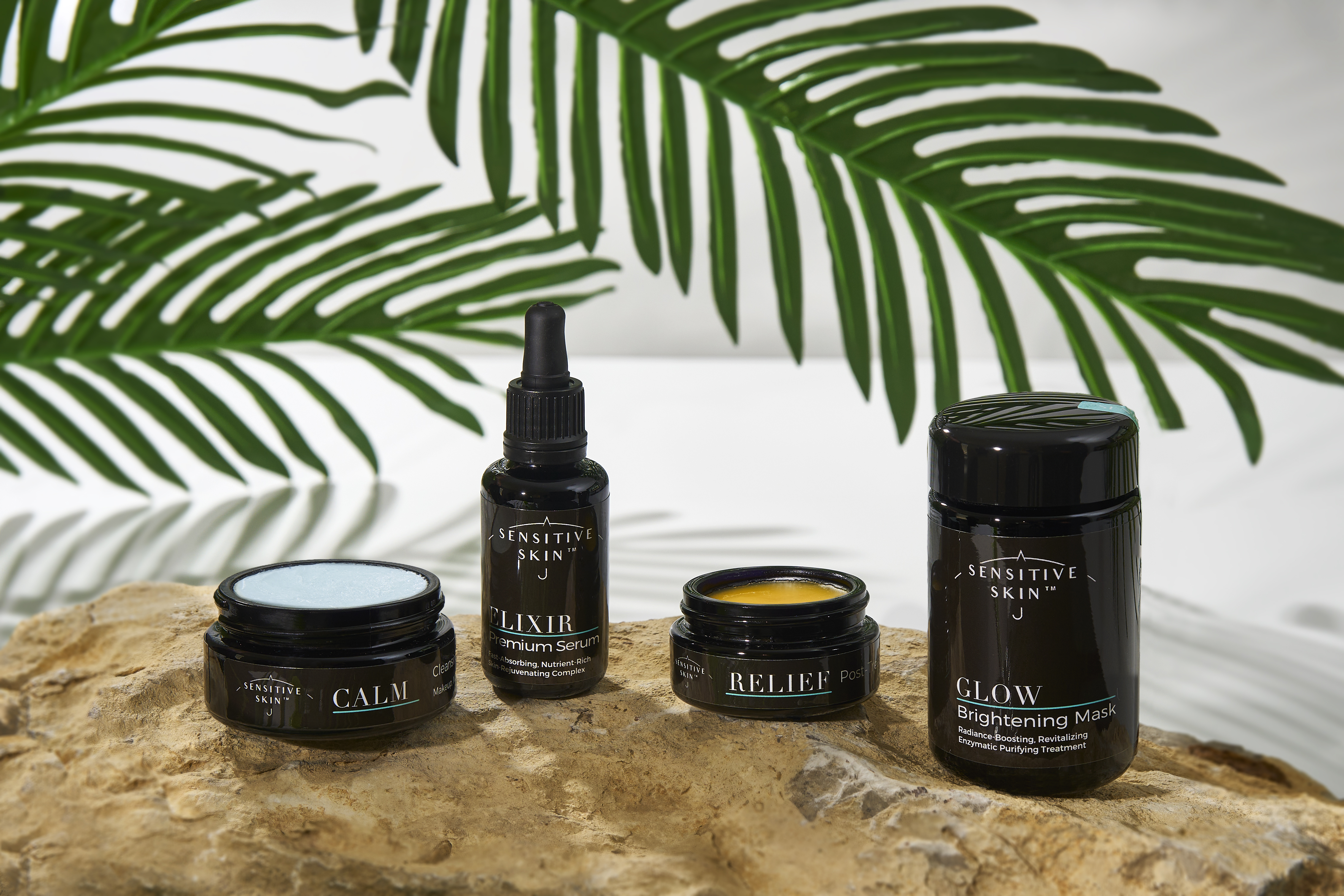
Key Sustainability Initiatives: SENSITIVE SKIN™ is dedicated to sustainability by eliminating plastic waste, using glass bottles and recyclable paper packaging instead. The brand prints labels locally in the USA, supporting small businesses and cutting down on shipping-related emissions. Their small-batch production reduces waste while ensuring the freshest, most potent skincare. All formulas are crafted with plant-based, high-performance ingredients, free from fillers, silicones, and harsh chemicals. By prioritizing ethical sourcing, responsible production, and eco-friendly packaging, SENSITIVE SKIN™ proves that luxury skincare can be both effective and environmentally conscious.
Impactful Efforts: One of their most impactful sustainability efforts is tackling the beauty industry’s plastic waste problem. Instead of plastic containers, SENSITIVE SKIN™ uses glass bottles and recyclable paper packaging, making their products both luxurious and eco-friendly. Another key focus is reducing their carbon footprint by keeping production local—labels are printed in the USA rather than being outsourced overseas. These intentional choices reflect their commitment to creating skincare that cares for both people and the planet.
Key Sustainability Initiatives: Badger is dedicated to a net positive impact on the planet. It aims for net zero emissions by 2030 through on-site solar (which generates 319,000 kWh), regenerative agriculture, and sustainable packaging. The company has achieved over 90% waste diversion at its New Hampshire manufacturing facility. In 2023, Badger partnered with the ReSea Foundation to remove plastic from oceans. For every bottle it makes for its new Baby Washes, the equivalent weight of plastic is removed from the ocean and waterways. The recovered plastic is then put back into the supply chain by ReSea, so nothing goes to waste.
Impactful Efforts: In 2020, Badger achieved its goal of switching its 25,000-square-foot manufacturing facility to 100% solar power. Mounted on the ground and stretching across its rooftops, the panels produce enough clean solar energy to power all of Badger's operations and even send extra electricity back to the grid. The panels can generate 600,000 kilowatt hours of electricity per year.

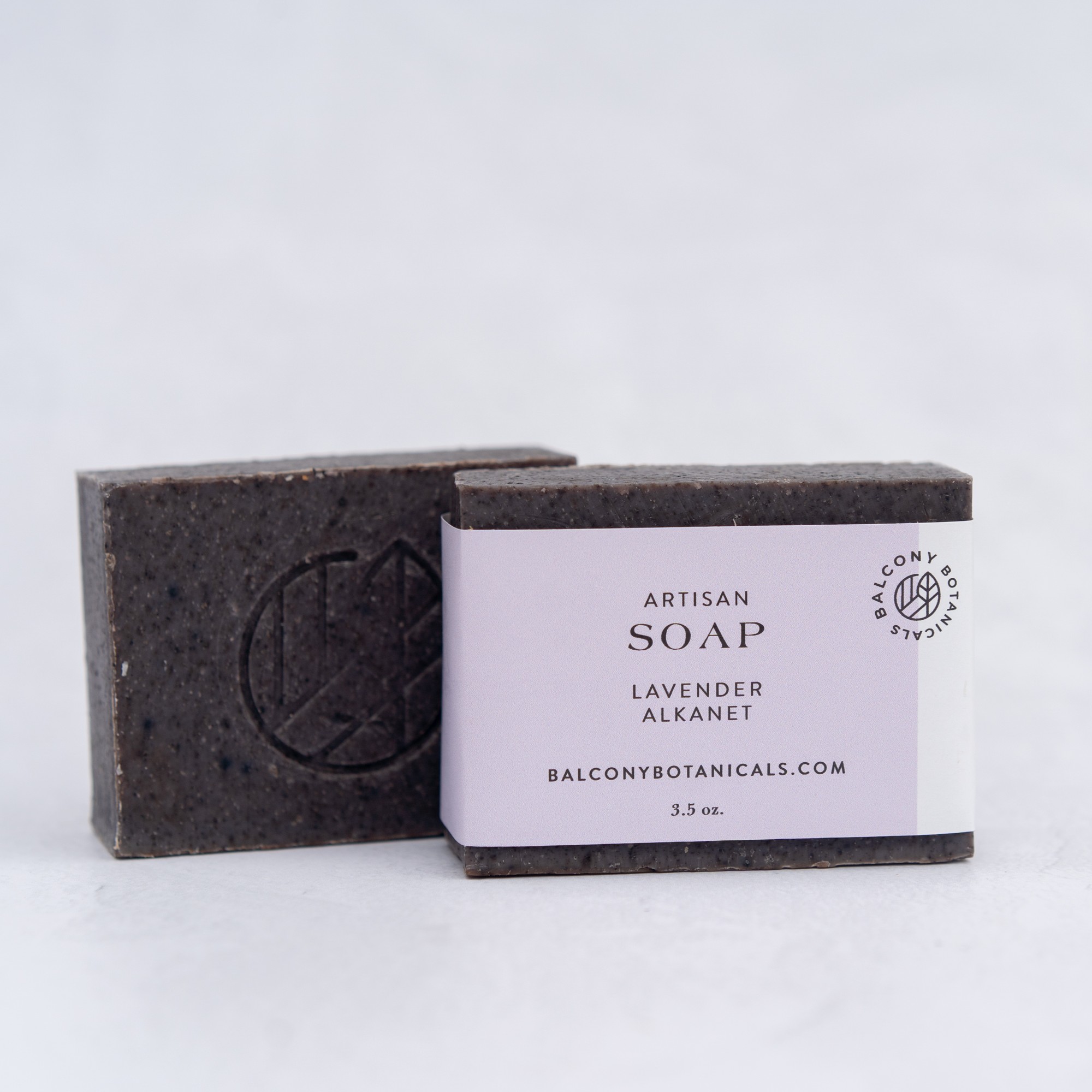
Key Sustainability Initiatives: Balcony Botanicals prioritizes sustainability through the use of compostable and recyclable packaging, deliberately avoiding plastic bottles and tubes to reduce environmental impact. All products are crafted in small batches, supporting freshness, reducing waste, and allowing for greater quality control. Ingredients are naturally derived, biodegradable, and sustainably sourced, aligning with the brand’s mission to create clean, effective body care without harming the planet. At the heart of the brand is a high-altitude lavender farm in the Colorado Rockies, where lavender is grown using organic practices without synthetic pesticides or fertilizers. The lavender is hand-harvested and steam-distilled with pure Rocky Mountain spring water, preserving both the plant’s potency and the surrounding environment. These thoughtful choices—from packaging to farming—demonstrate Balcony Botanicals’ holistic commitment to sustainability.
Impactful Efforts: One of Balcony Botanicals’ most impactful sustainability efforts is its commitment to plastic-free packaging. From the beginning, the brand refused to contribute to the growing problem of plastic waste, opting instead for compostable tubes, recyclable glass, and minimal, eco-friendly materials. This choice required overcoming sourcing and cost challenges, but it ensures that every product leaves a lighter footprint.
9. Auratherapy (formerly Adoratherapy)
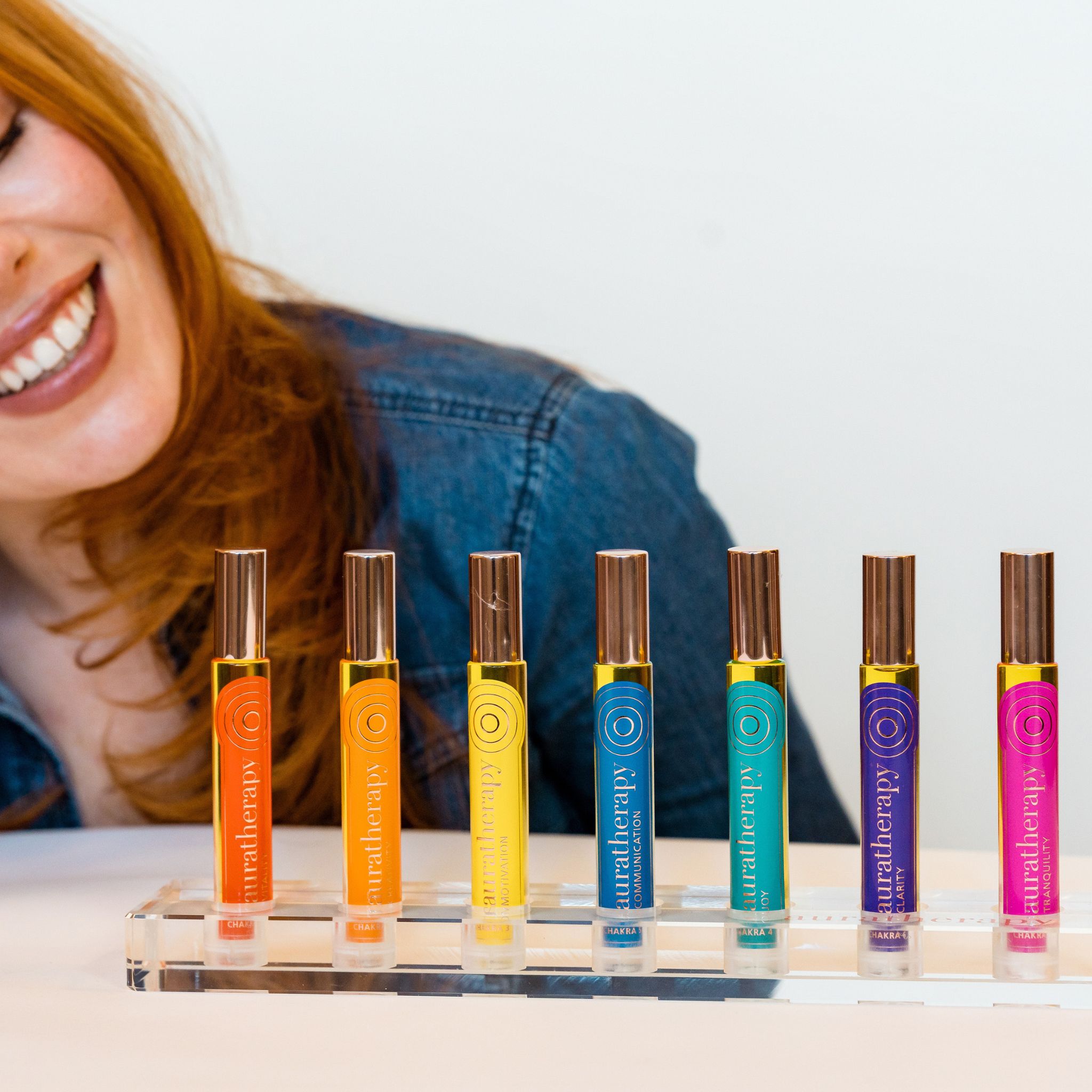
Key Sustainability Initiatives: Auratherapy is committed to sustainability through every step of its product journey. The brand uses all-natural, vegan, and cruelty-free ingredients, avoiding synthetic fragrances, phthalates, and alcohol. Packaging is designed with recyclability and reusability in mind, including glass bottles and minimal plastic components. Auratherapy’s chakra perfume oils are highly concentrated, reducing waste and extending product life. The brand also offers refill programs and encourages conscious consumption through education and mindful rituals. Following the destruction of its Asheville warehouse in a 2024 flood, Auratherapy doubled down on local sourcing, small-batch production, and building community resilience. Their new Aura Sanctuary will be a hub for clean beauty, wellness, and climate-conscious practices rooted in healing and regeneration.
Impactful Efforts: Auratherapy products are proudly made in the USA. The brand sources glass and recycled materials, ships them once, and handcrafts each item in its Asheville, NC factory. Packaging is designed with sustainability in mind, using glass bottles and recycled paper, while eliminating excess materials. Shipping is intentional and low-waste, with a focus on reusing and recycling materials whenever possible. This closed-loop, small-batch approach minimizes environmental impact while supporting local production.
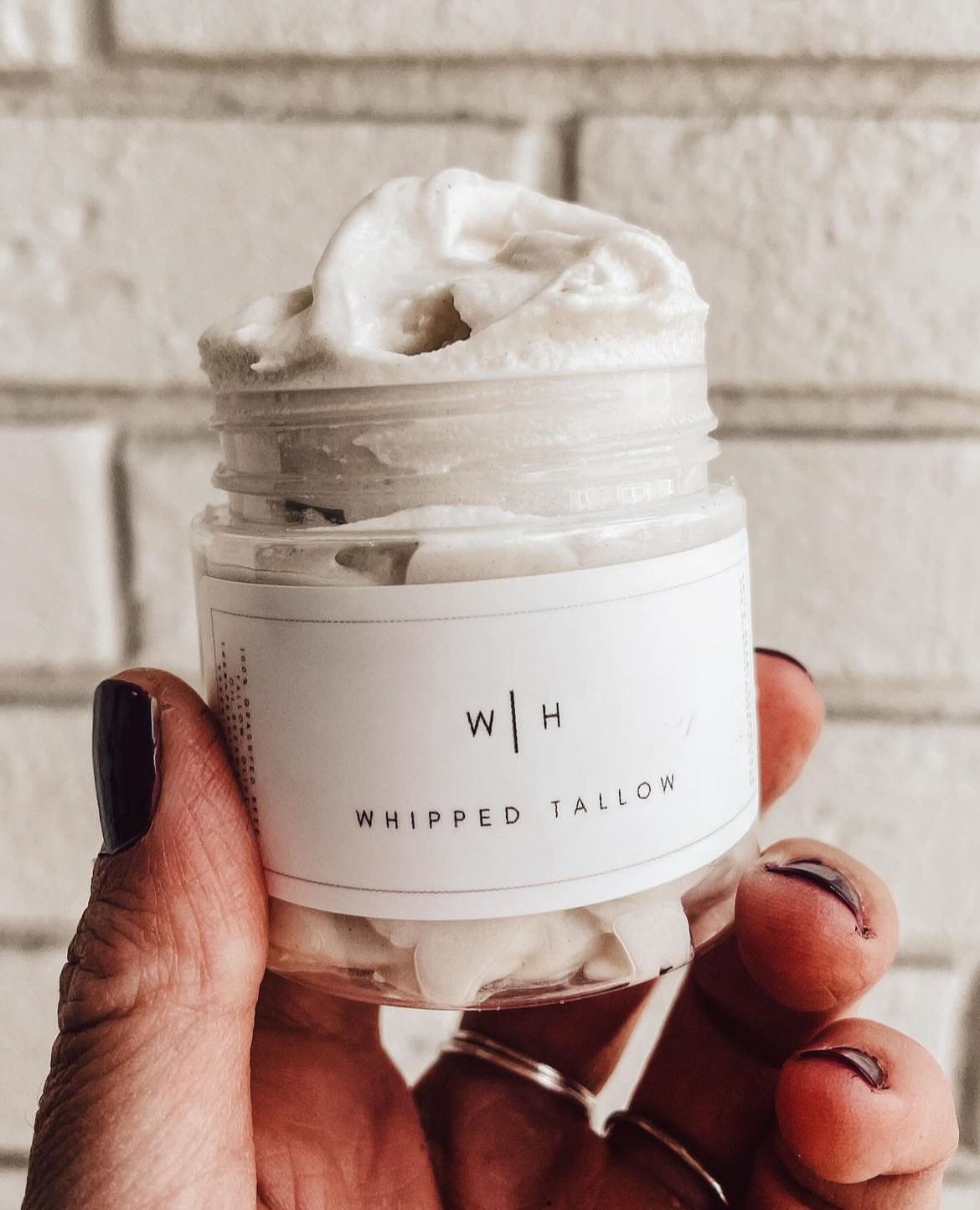
Key Sustainability Initiatives: Wild Heart Essentials has implemented several key sustainability initiatives that align with its commitment to clean, ethical, and locally-sourced skincare. The brand partners directly with regenerative, organically managed farms to source 100% grass-fed tallow, ensuring that every jar supports sustainable agricultural practices that actively restore soil health and promote biodiversity. Additionally, Wild Heart Essentials sources pure beeswax from local beekeepers who prioritize the health and well-being of their hives, minimizing environmental impact and supporting ethical beekeeping. By working directly with small-scale suppliers, the brand reduces its carbon footprint and enhances transparency within its supply chain. Wild Heart Essentials also embraces a minimalist approach to formulation, using only essential, non-toxic ingredients without fillers or preservatives, which reduces resource consumption and unnecessary waste. Every aspect of the production process is carefully considered to prioritize quality, sustainability, and community support.
Impactful Efforts: One of Wild Heart Essentials’ most impactful sustainability efforts is its commitment to sourcing grass-fed tallow directly from regenerative, organically managed farms. By partnering with local farmers who prioritize sustainable, chemical-free practices, Wild Heart Essentials supports local, ethical agriculture that actively restores soil health and promotes biodiversity. This direct sourcing approach not only ensures the purity and quality of the tallow but also reduces the carbon footprint associated with mass production and shipping. By choosing to work with local suppliers, Wild Heart Essentials is creating a cleaner, more transparent supply chain while supporting small-scale farming communities.
11. Kuumba Made
Key Sustainability Initiatives: Kuumba Made has long been committed to sustainability, implementing thoughtful practices across every stage of production. The brand prioritizes sourcing organic or sustainably wildcrafted ingredients and has onshored some raw material sourcing from Asia to the U.S. to reduce its environmental footprint and ensure ethical practices. A major initiative includes transitioning away from plastic packaging—moving salves and CBD products into glass jars and actively working to eliminate plastic wherever possible. Kuumba Made has also discontinued any product found to contain microplastics. The team continuously evaluates suppliers and processes to meet environmental standards while maintaining product efficacy and affordability. These initiatives reflect the brand’s deep respect for the earth and a long-standing dedication to responsible business practices.
Impactful Efforts: One of Kuumba Made’s most impactful efforts has been the transition from plastic to glass packaging, which has significantly reduced the brand's use of single-use plastics. While sourcing eco-conscious packaging that meets specifications and works within manufacturing constraints posed challenges, the brand remains dedicated to continuing this shift across all product lines. Additionally, onshoring key raw material sourcing has cut down on emissions from overseas shipping and strengthened transparency within the supply chain—helping ensure that every ingredient is harvested with care and integrity.

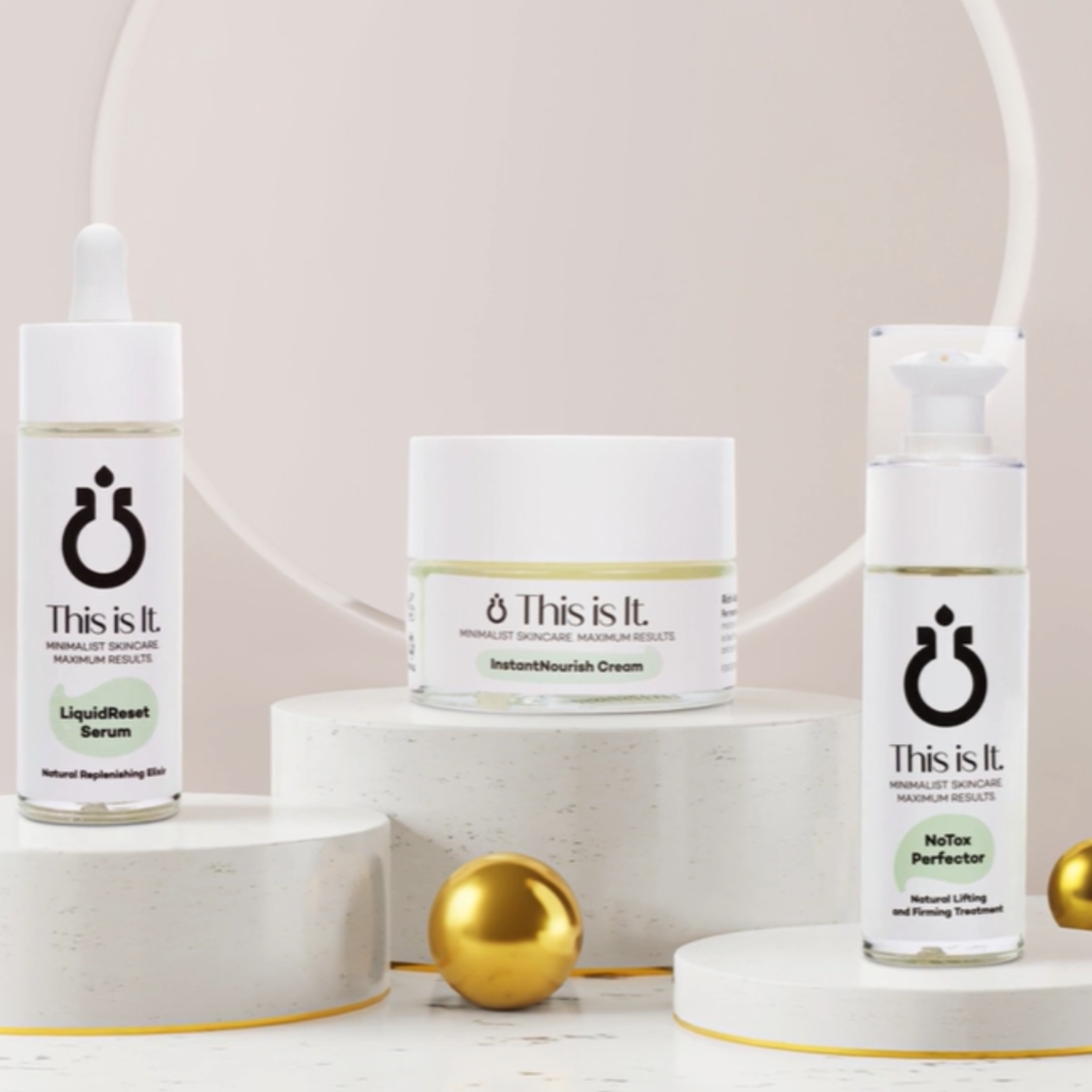
Key Sustainability Initiatives: This Is It. is committed to sustainability through every step of production, beginning with a seed-to-bottle philosophy that prioritizes locally grown, raw materials to reduce environmental impact. Our bottles are made from recycled glass, one of the most sustainable and endlessly recyclable materials, unlike plastic, which typically degrades after a single cycle. We actively offset our carbon footprint by sourcing responsibly and minimizing transportation emissions. Our minimal packaging approach eliminates unnecessary waste while maintaining the integrity of our high-performance formulas. Every ingredient is organic, non-GMO, and sustainably grown, ensuring both ethical sourcing and eco-conscious production.
Impactful Efforts: One of our most impactful sustainability efforts is our commitment to recycled glass packaging, which addresses the growing issue of plastic waste. Unlike plastic, which typically degrades after a single recycling cycle, glass can be endlessly recycled without losing its purity or strength. By using bottles made from recycled glass, we significantly reduce landfill waste and minimize the demand for new raw materials. This not only lowers our carbon footprint but also encourages a more circular, sustainable approach to packaging in the beauty industry. Another key initiative is our seed-to-bottle philosophy, ensuring that our ingredients are locally grown whenever possible to minimize long-distance transportation and reduce emissions. We uphold complete transparency in sourcing, choosing the most ethical and sustainable raw materials over the cheapest options. This means working with farmers and suppliers who use organic, non-GMO, and regenerative practices that protect biodiversity, conserve resources, and support fair labor. By prioritizing ethical sourcing and eco-conscious farming, we’re not just making cleaner products—we’re making a difference in the way beauty is done.
Key Sustainability Initiatives: Our formulas are free off microplastics and silicones. We also use all Creating packaging that was streamlines and glass pakaging with no extraneous plastic elements or inserts. Our shipping boxes are all from recycled paper.
Impactful Efforts: Wen are very proud of all glass packaging of bottle and jars. We use the smallest carbon footprint in all of our packaging. Because glass is trickier than plastic, It requires alot of testing and even formula adjustments so that the product dispenses efficiently. We know that face washes and SPF's get rinsed down the sink and then often in to our oceans and we have worked rigorously to enosure our cleasning ingredients are sulfate and microplastic free and without chemical sunscreens.

14. Peak Scents Plant Based Skincare
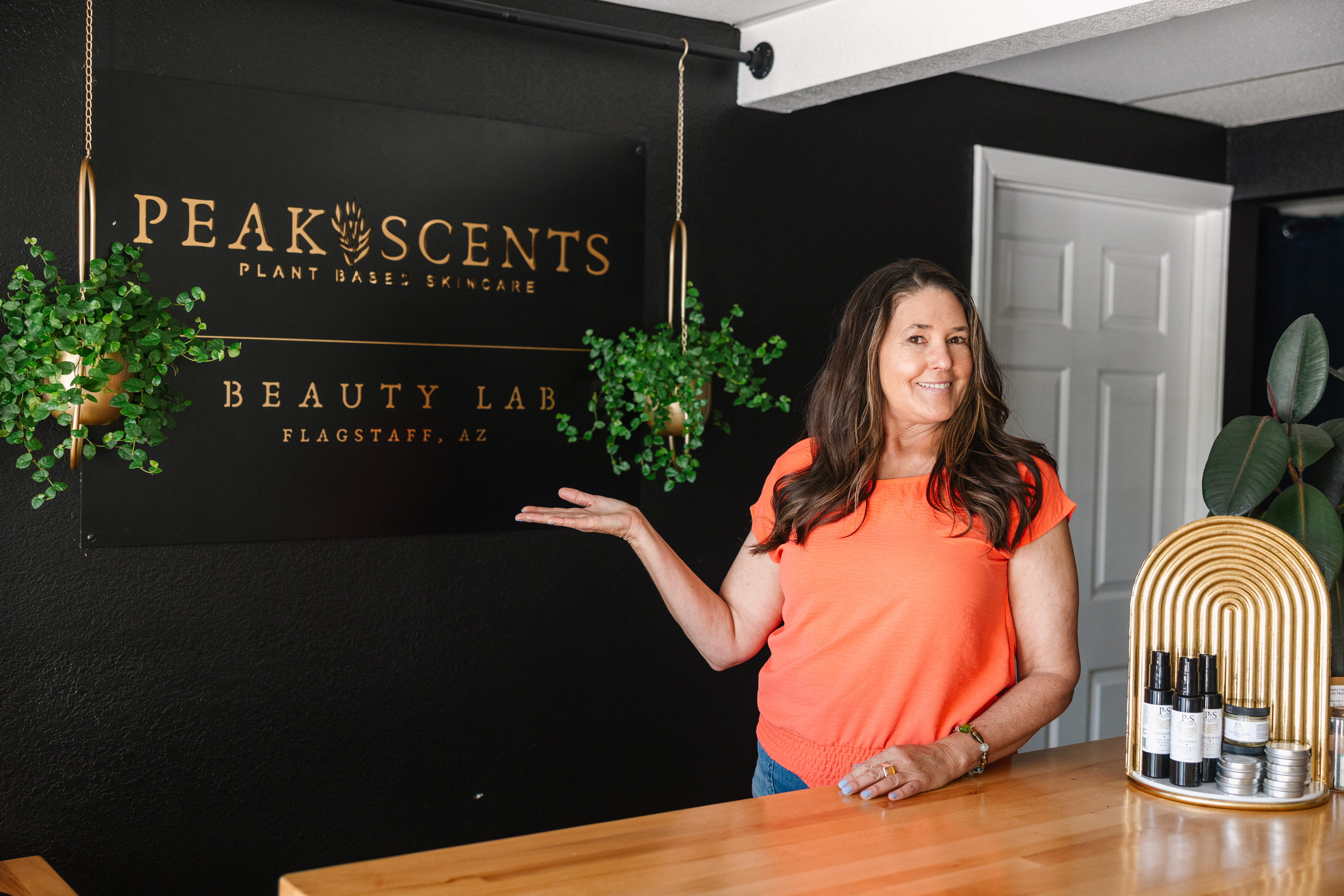
Key Sustainability Initiatives: Peak Scents is committed to sustainability through every step of its process. The brand uses plant-based, ethically sourced ingredients and avoids synthetic fragrances, phthalates, and harmful preservatives. Packaging is designed with the environment in mind, incorporating recyclable materials and offering refill options both online (launching in 2025) and in-store. Their retail shop in Flagstaff, AZ, provides in-person product refilling to help reduce single-use packaging. All products are cruelty-free and never tested on animals. Manufacturing is done in small batches to minimize waste and ensure freshness. These initiatives reflect the brand’s dedication to protecting both people and the planet.
Impactful Efforts: One of Peak Scents’ most impactful sustainability efforts is reducing single-use plastic through their refill initiatives. To address the growing concern of packaging waste, the brand offers in-store refills at their Flagstaff, AZ retail shop and is launching refill pouches for online orders in 2025. These pouches use significantly less material than traditional bottles, helping to minimize environmental impact while allowing customers to reuse their original packaging. By making it easier to refill and reuse, Peak Scents is empowering consumers to make more sustainable choices.
15. Natural AWA
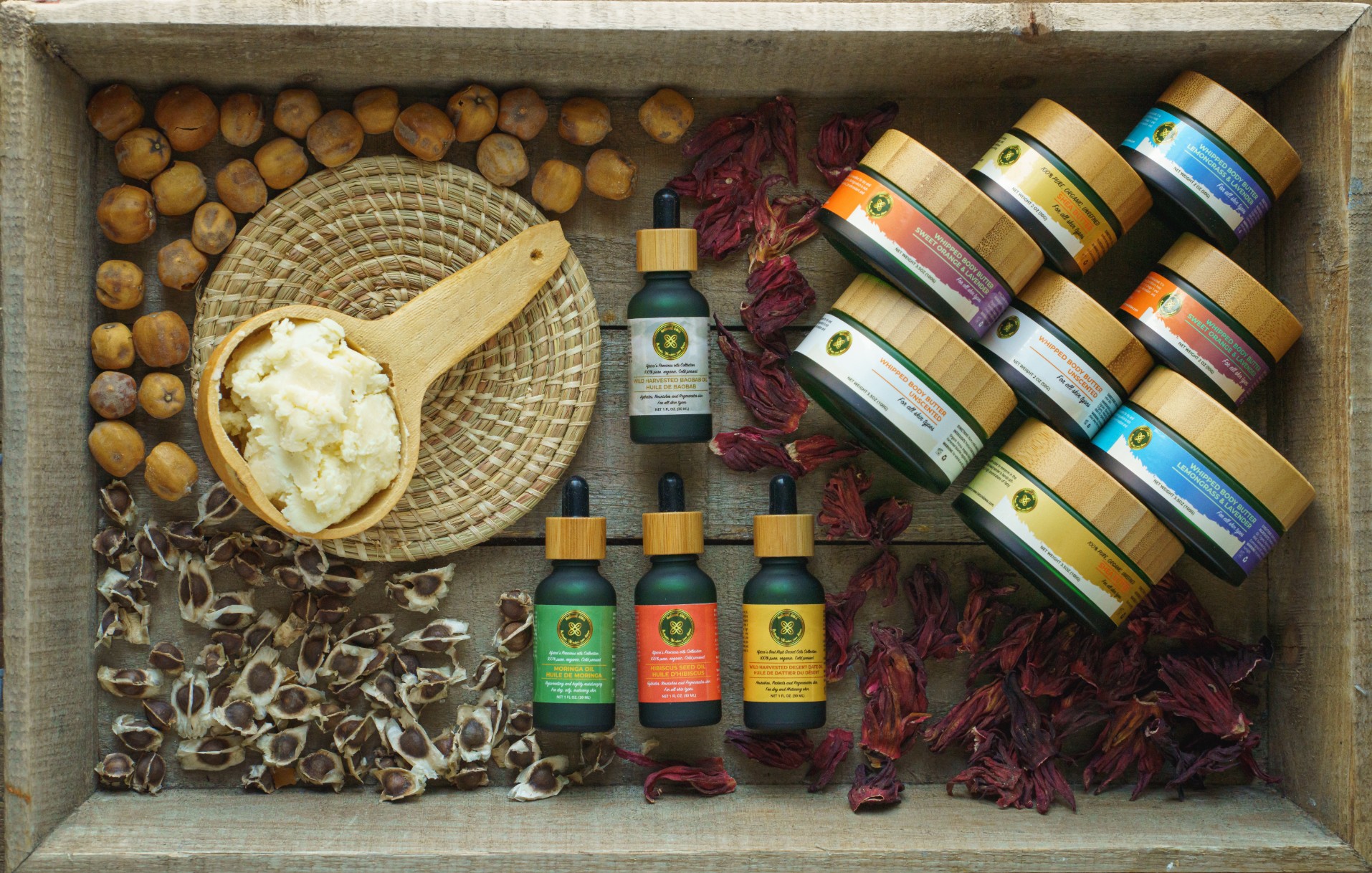
Key Sustainability Initiatives: Natural AWA’s packaging and ingredients have been carefully selected to reflect their commitment to the environment and the conservation of nature. Natural AWA containers are made of recyclable materials such as glass, bamboo, and biodegradable materials which can be easily recycled or repurposed. Natural AWA uses sustainable ingredients that have zero waste production. for example, the date of the desert's pulp is used for nutritious benefits, the kernel pressed to get the oil, the residues are composted and used in community gardens, and finally, the shells are used to make cooking fires by the women producers.
Impactful Efforts: Natural AWA works with different cooperatives of women from Senegal and Mauritania by providing fair trade and sustainable incomes to these rural communities. Natural AWA's vision is to build communities through beauty by empowering the women they work with. By sourcing sustainable ingredients, Natural AWA allows the women producers to have different income stream from one ingredient with their zero-waste production chain.
Key Sustainability Initiatives: Morrocco Method uses only natural ingredients, and their products are packaged in recyclable or compostable materials. All of their shampoo, conditioner, and body bars are packaged in 100% compostable materials; even the stickers!
Impactful Efforts: Morrocco Method has made a sincere effort over the years to use more sustainable ingredients and materials. They continue to review and improve their packaging, avoiding things like plastic when they can. They are also mindful that any ingredients added to their bath products will end up in the water, and therefore only use the most natural ingredients in their formula

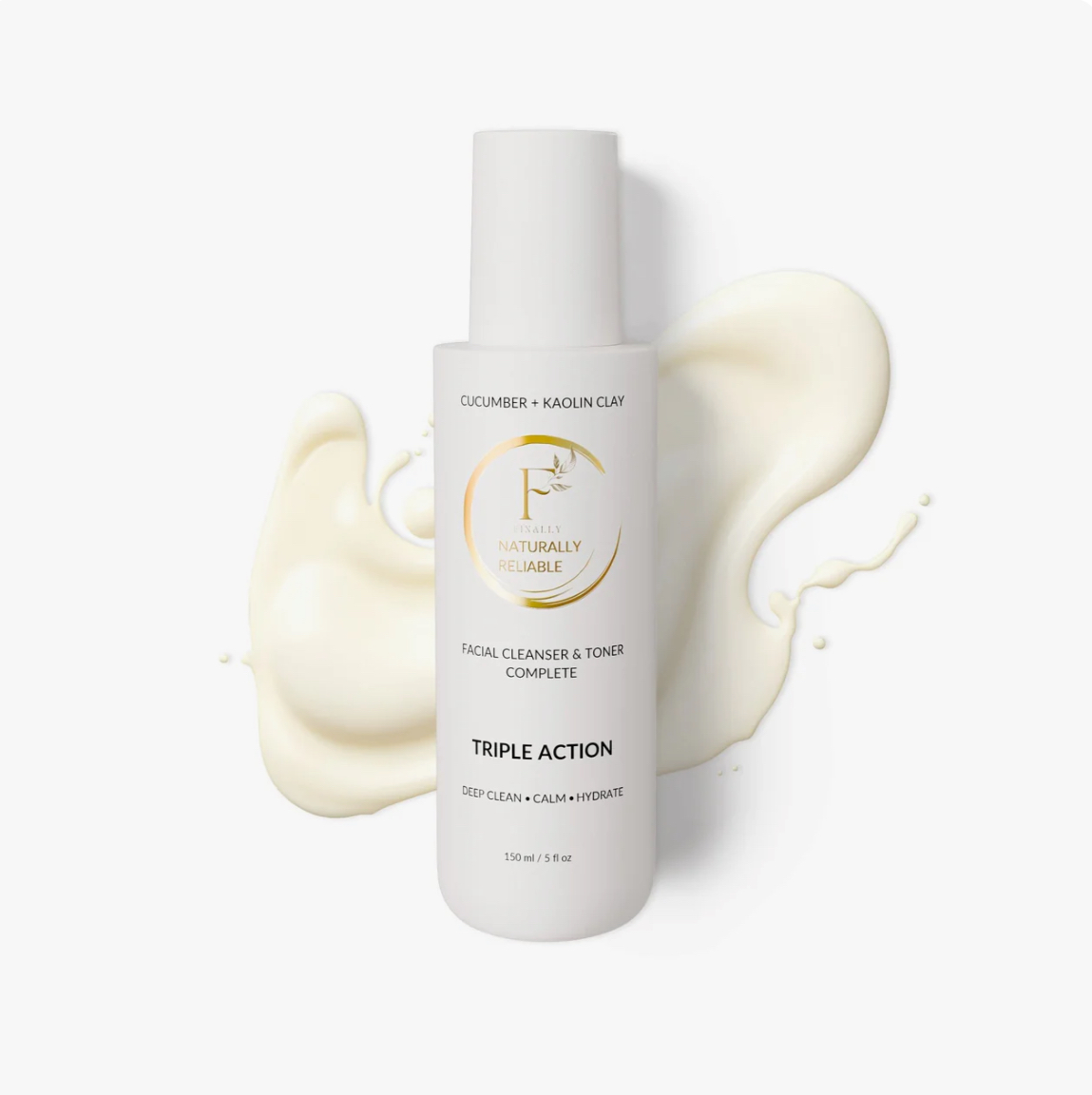
Key Sustainability Initiatives: We are committed to using only glass packaging and eco-friendly out packaging. We have partnered with CleanHub and pledged to collect 5,025 pounds of plastic from underdeveloped countries that do not have a garbage system.
What's Next: There are countries that have a major plastic pollution problem along their shorelines. Cleanhub is dedicated to helping them and Finally All Natural has partnered with them each year. Using glass bottles from day 1 has been important to us and we will continue to make efforts to be as sustainable as possible and eco-friendly.
18. Meadow Bee
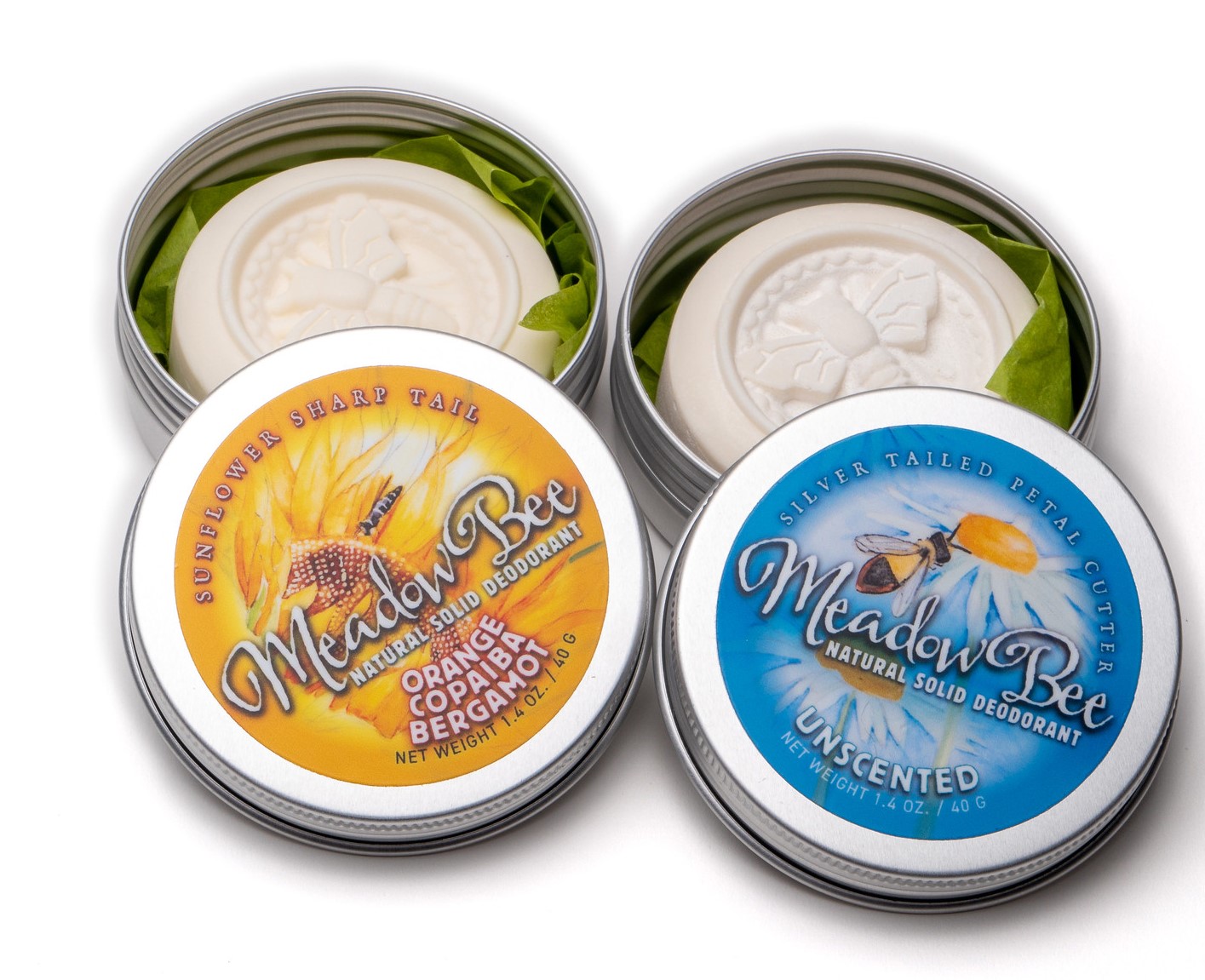
Key Sustainability Initiatives: Meadow Bee uses high end, organic ingredients with long shelf lives to deliver the maximum nutrients to your skin in every body care product we formulate and make. Composting, recycling, re-using packaging received in incoming orders and sharing what can't be used by us with other local businesses, choosing environmentally friendly packaging for products, and educating consumers about how to protect pollinators are just some of the ways Meadow Bee helps sustain the green mountain environment we treasure here in Vermont.
Impactful Efforts: Meadow Bee is a PLASTIC-FREE deodorant in a world still filled with too many plastic deodorant applicators. Made to be a stand-alone bar, Meadow Bee comes in metal tins that are infinitely recyclable. Each bar lasts 4 months and longer when used daily, and that is sustainable because it makes Meadow Bee so economical to use. (Each bar has a 2-year shelf life too) And it can even be purchased without the container at meadowbeedeodorant.com
19. Lendava Skincare
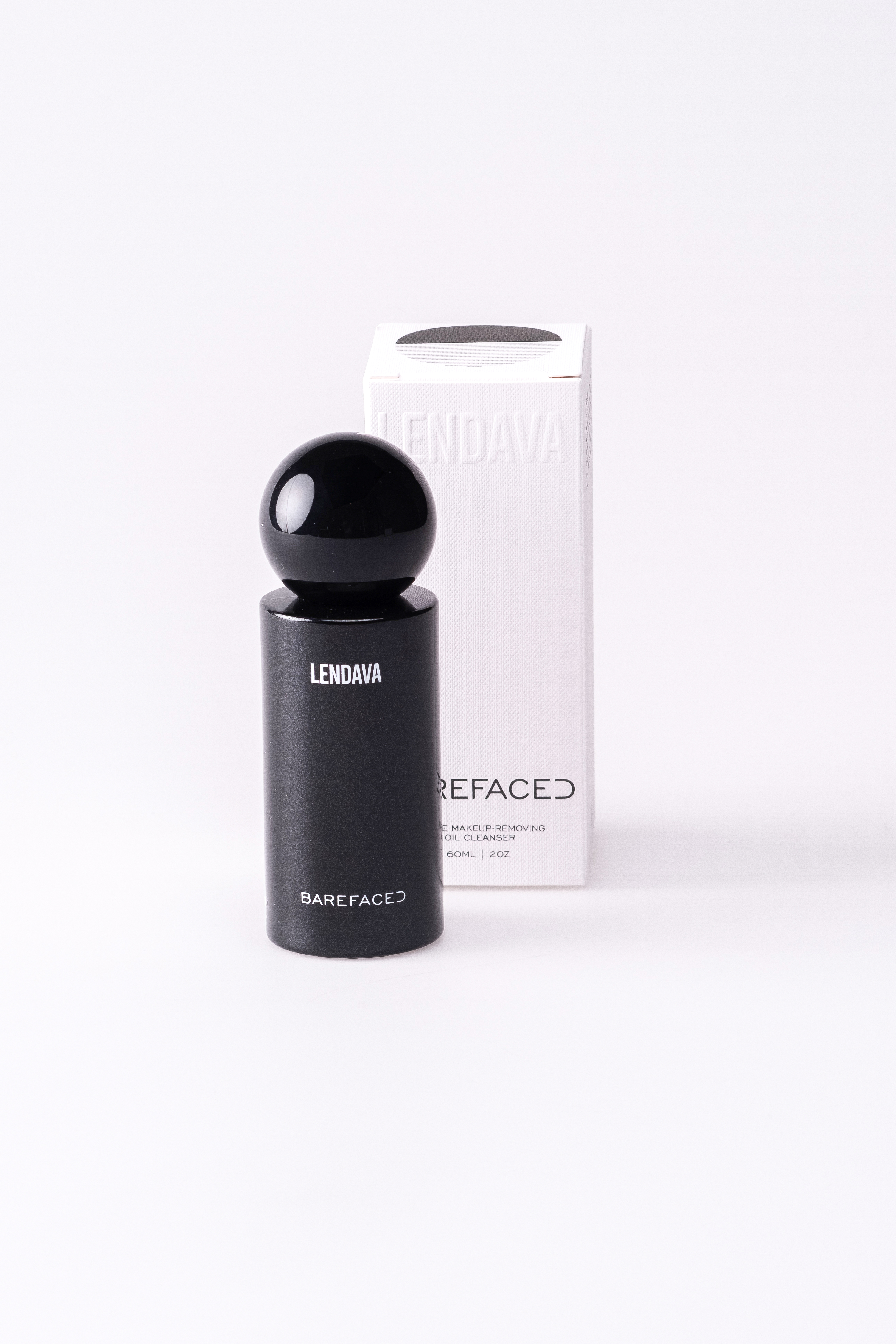
Key Sustainability Initiatives: Lendava prioritizes sustainability through clean, high-performance formulas and refillable, eco-conscious packaging. Its refillable packaging allows for multiple uses, reducing waste. The brand’s Reusable Cotton Pads, featured in Forbes, promote sustainability, while products like Barefaced support minimal-waste routines. Lendava also partners with ethical suppliers and incorporates recyclable materials to minimize environmental impact. Sustainability remains at the core of Lendava’s innovation.
Impactful Efforts: Lendava focuses on reducing packaging waste by using recyclable materials, refillable packaging for some products, and designing multi-use items that simplify skincare while minimizing environmental impact. The brand also partners with ethical suppliers to ensure responsible sourcing and production. By prioritizing sustainability at every step, Lendava helps consumers make eco-conscious choices without compromising on quality.
20. Zakiella
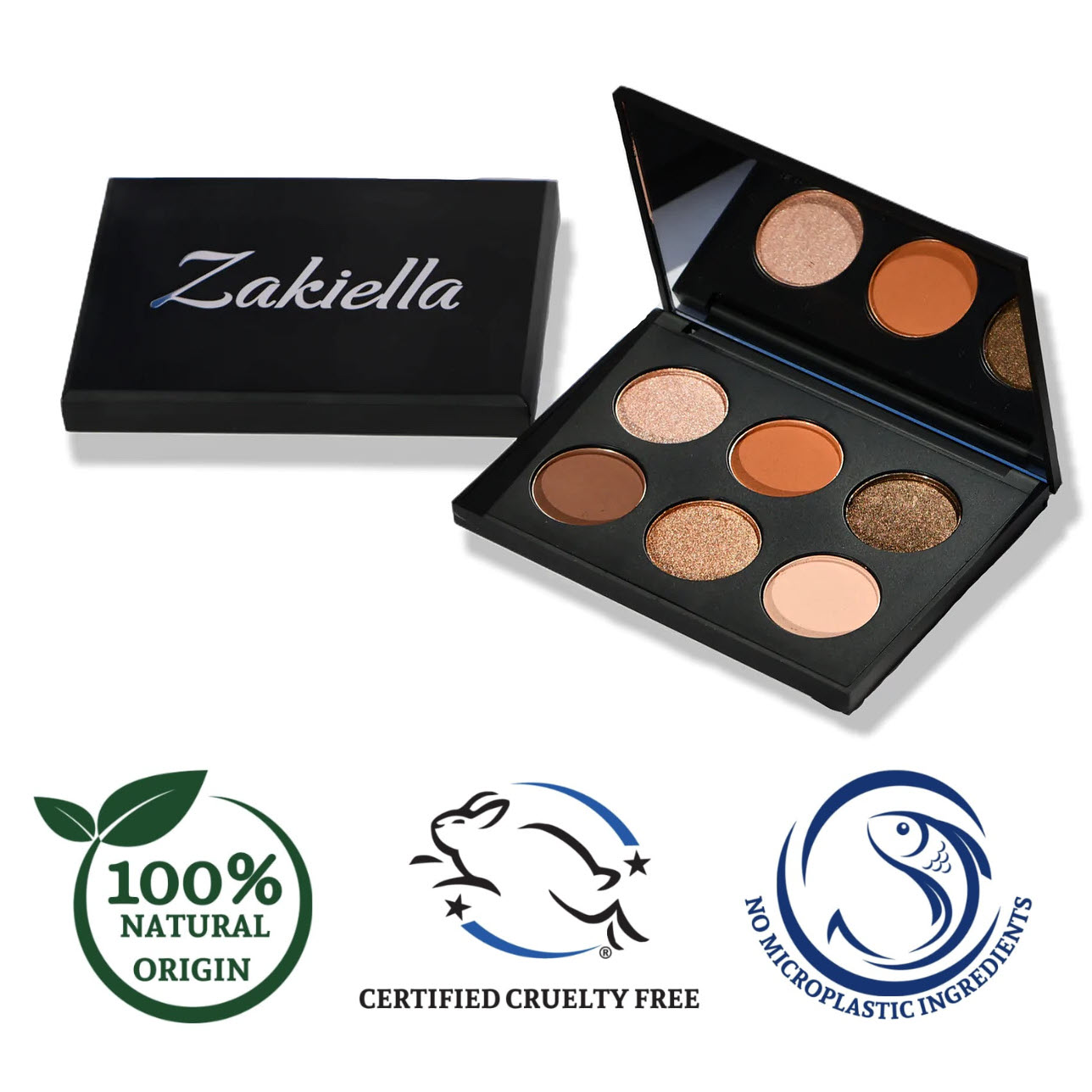
Key Sustainability Initiatives: At Zakiella, the team is incredibly passionate about their sustainability efforts. Upon discovering that most cosmetics, including many marketed as clean beauty, contain microplastic ingredients, the team at Zakiella was truly motivated to make a change. The realization that consumers were unwittingly ingesting these harmful substances with every application of lipstick or gloss further fueled their commitment to make a change. While formulating top-tier cosmetics without microplastic ingredients presented its challenges, they embraced the opportunity to challenge the status quo and reimagine clean beauty™. Additionally, Zakiella reduces packaging waste with their innovative approach of printing labels directly on the products to eliminate the need for individual boxes and contributes to a more sustainable beauty industry by saving thousands of cardboard boxes that are usually discarded right after opening.
Impactful Efforts: If you’re looking for a brand that values sustainability, you’ll be glad to discover Zakiella! The brand's unwavering commitment to environmental responsibility is evident in their various initiatives, including the use of renewable energy in their lab. Each product on Zakiella's website transparently displays the percentage of natural ingredients, offering customers a range of options with many 100% natural shades or bold shades with over 95% natural ingredients. The brand prides itself on excluding microplastic ingredients, opting instead for natural and certified organic ingredients, while also avoiding talc, PFAS, silicones, and aluminum in their cosmetics to prioritize clean ingredients. Zakiella also goes above and beyond by composting most manufacturing waste and offering Beautifully Imperfect™ lipsticks instead of discarding them due to minor imperfections due to their handcrafted nature. Zakiella's commitment to ethical standards is further shown through their Leaping Bunny certification for cruelty-free practices and dedication to ensuring child labor-free mica sourcing. The brand's refillable and customizable palettes offer customers the opportunity to reduce waste by replenishing shades or curating personalized palettes without the need for repurchasing a whole new palette just to replace one or two shades.
21. Greenmade goods
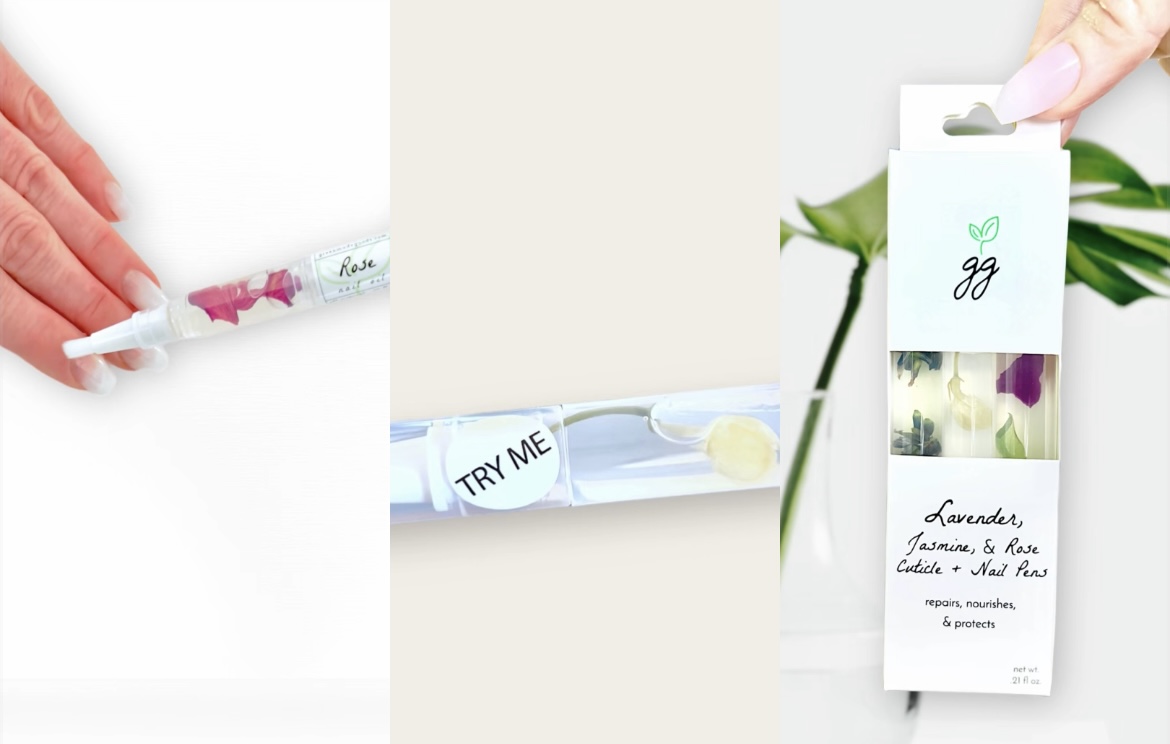
Key Sustainability Initiatives: Greenmade goods has implemented several key sustainability initiatives to reduce its environmental footprint. The brand uses eco-friendly materials, including recycled and biodegradable packaging, to minimize waste. Additionally, Greenmade goods focuses on ethical sourcing, ensuring that all raw materials are responsibly obtained from suppliers who adhere to sustainable practices.
Impactful Efforts: One of Greenmade goods' most impactful sustainability efforts is its commitment to using recycled and biodegradable materials in all of its products and packaging. By sourcing sustainable materials and ensuring that packaging is fully recyclable or compostable, Greenmade goods is significantly cutting down on landfill waste, helping to protect ecosystems and reduce pollution. This initiative has not only contributed to a cleaner planet but also raised awareness among consumers about the importance of sustainable choices.
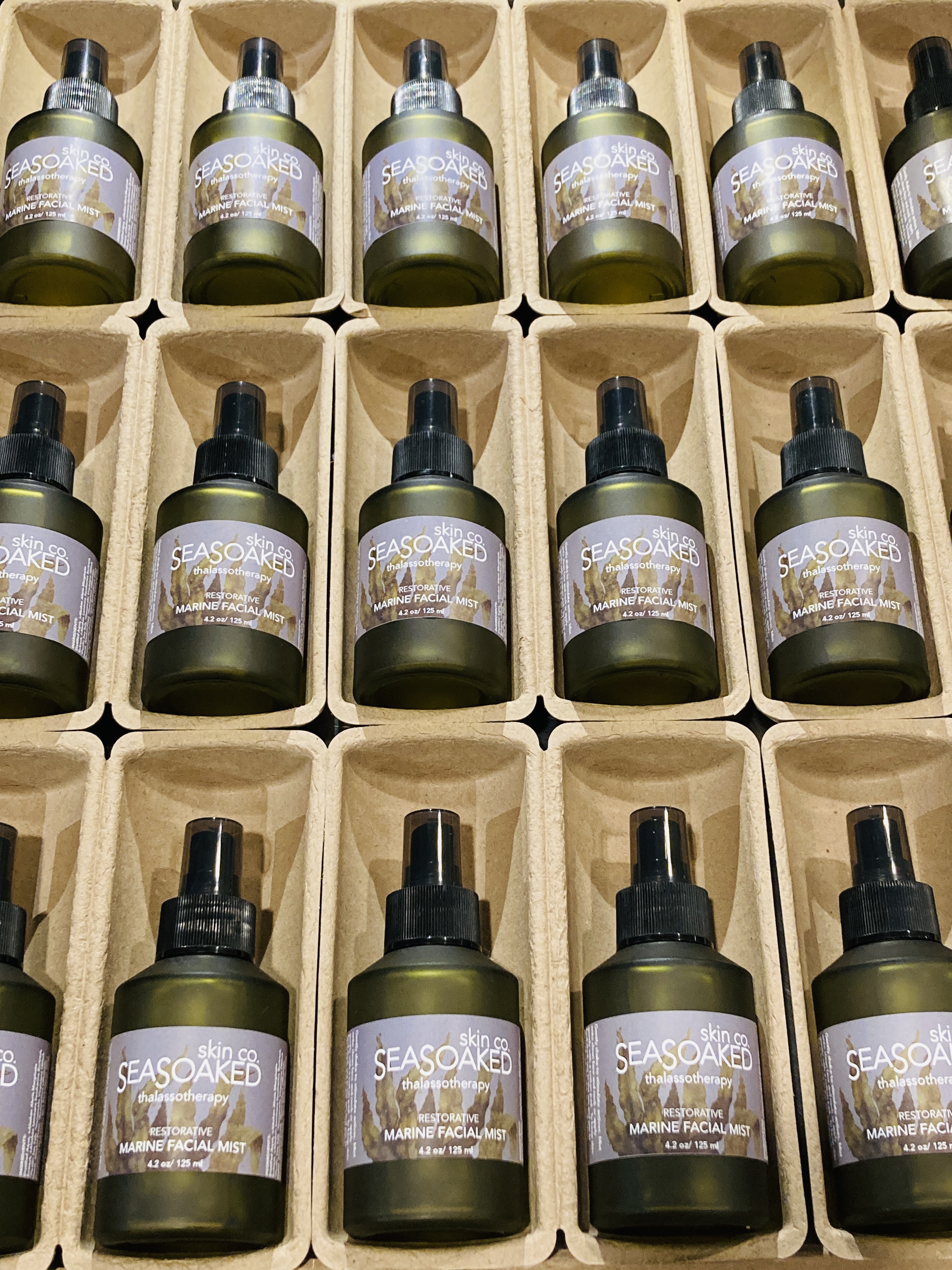
22. SeaSoaked Skin
Key Sustainability Initiatives: Eco-friendly packaging is a large part of the SeaSoaked Skin ethos. Our mailing boxes are recyclable and /or reusable. We choose to use molded pulp packaging to protect the contents during shipping because it is made from biodegradable fibers like recycled cardboard, paper, and natural fibers such as sugarcane, bamboo or wheat straw. Our clear wrap is 100% compostable as is our packing tape, and the majority of our labels. We just love being GREEN and making a difference, daily.
Impactful Efforts: SeaSoaked Skin works closely with a regenerative farm in Alaska to source high-quality kelp (our key ingredient) that is sustainably farmed and harvested. This supports mariculture and marine farming which is extremely integral in fighting climate change. SeaSoaked Skin also carefully selects farmers and growers whose practices benefit the earth instead of depleting resources by choosing only sustainably and ethically sourced ingredients for all of our formulations without the use of parabens, phthalates, petrolates, sulfates, animal-derived ingredients, artificial dyes or synthetic fragrances.
23. Holistic Hair
Key Sustainability Initiatives: Holistic Hair is proud to be B Corp Certified, demonstrating its dedication to high standards of social and environmental performance, accountability, and transparency. The brand is also Vegan Certified, ensuring all products are free from animal-derived ingredients, aligning with its cruelty-free and ethical practices. A key part of Holistic Hair’s sustainability initiatives is its Plastic Neutral+ certification with CleanHub, which goes beyond offsetting its plastic footprint by recovering more plastic than the brand generates. This commitment helps to reduce plastic waste and supports a circular economy. Through these certifications, Holistic Hair is reinforcing its mission to prioritize both environmental responsibility and ethical practices in every aspect of its operations.
What's Next: One of Holistic Hair’s most impactful sustainability efforts is its partnership with CleanHub, which supports the brand’s Plastic Neutral+ certification. Holistic Hair addresses the growing challenge of both non-recyclable and recyclable plastic waste by not only offsetting its own plastic footprint but also recovering more plastic than it uses. Through CleanHub, the brand funds plastic recovery projects in vulnerable regions, such as Southeast Asia, ensuring waste is collected, recycled, and properly managed. This initiative not only reduces plastic pollution but also creates jobs and provides education on waste management, promoting a circular economy and reinforcing Holistic Hair’s commitment to sustainability.
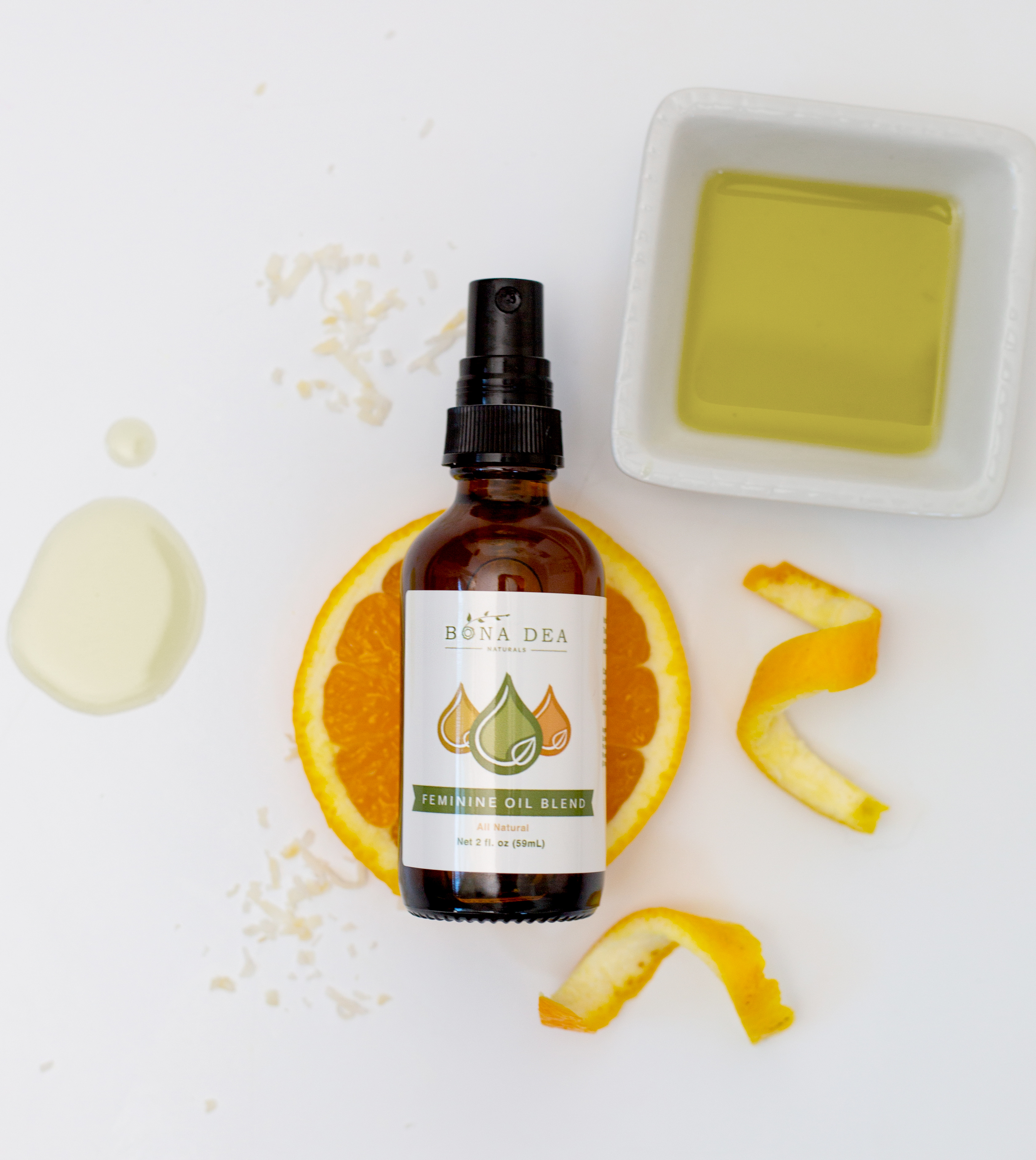
Key Sustainability Initiatives: Bona Dea Naturals is not only committed to the wellness of women but also to ethical practices that resonate with conscientious consumers. All products are manufactured in the U.S. using globally sourced natural ingredients. Furthermore, the company's Leaping Bunny certification guarantees that no animals were harmed in the making of any products, reinforcing Bona Dea Naturals' commitment to cruelty-free practices. Sustainability is a core tenet of the brand's ethos. Bona Dea Naturals ensures that 85% of product packaging materials are recyclable, alongside a commitment to using 100% recyclable shipping materials. The company minimizes waste, as overstock items are sold through inventory reduction events rather than discarded. Additionally, all company operations are fully paperless, underscoring Bona Dea Naturals' dedication to environmental stewardship.
Impactful Efforts: As a small business specializing in health and beauty products with expiration dates, striking the right balance in inventory management is an art. Bona Dea Naturals diligently works to project inventory needs accurately, but occasionally, there may be stock that will expire before it can be sold. To minimize waste, Bona Dea Naturals strategically sells overstock items through inventory reduction events, ensuring that products find a new home rather than being discarded. This innovative approach not only reduces the company's ecological footprint but also promotes a circular economy by encouraging responsible consumption.
25. Lhamour
Key Sustainability Initiatives: Lhamour has launched Mongolia's first ever refill station 6 years ago where customers can go to the flagship store and get their favorite products such as body oils an facial oils refilled into their own container. By doing so, both consumer and manufacturer together help save the planet as no additional waste is being created. The cosmetics industry is already very wasteful and thus initiatives like these are important. Lhamour was also the first to commercialize recycled paper into a fashionable innovative packaging and sold their natural soaps without wrapping. Also, a lot of the gift baskets are made by women who are stay home moms and the baskets are woven from recycled paper.
Impactful Efforts: Lhamour aims to minimize the effects of waste whether it be packaging or at the work space or with their raw material sourcing. The refill station which is the first of Mongolia helps reduce waste and the team also tries to use as little paper as possible, for example not printing brochures but rather pointing out to their social media or website and also trying to minimize paper waste at the office by using mostly the digital space. One major aspect of environmental friendliness is also the fact that most raw materials were not fertilized or sprayed with pesticides and are purely natural.

26. Glomalin
Key Sustainability Initiatives: Glomalin has a corporate focus on ingredients that are derived exclusively from plants with a goal to acheive 100% certified organic plant extracts by 2027. Today all our products, with the exception of our sunscreen (which contains zinc oxide and bentonite clay), contain only plant extracts a ingredients and 50% of our products contain only ingredients that are from certified organic sources.
Impactful Efforts: Farming is one of the largest polluters of air, soil and water in the world today. Our focus on organic plant material has a two fold benefit; first to ensure that our customers apply ingredients on their skin that do not contain harmful pesticides or herbicides and secondly to reduce the harmful introduction of pesticides and herbicides into our air, soil and water by increasing the reliance on organic farming practises by only using plant material from these types of cultivation methods.
27. Earth & Halo
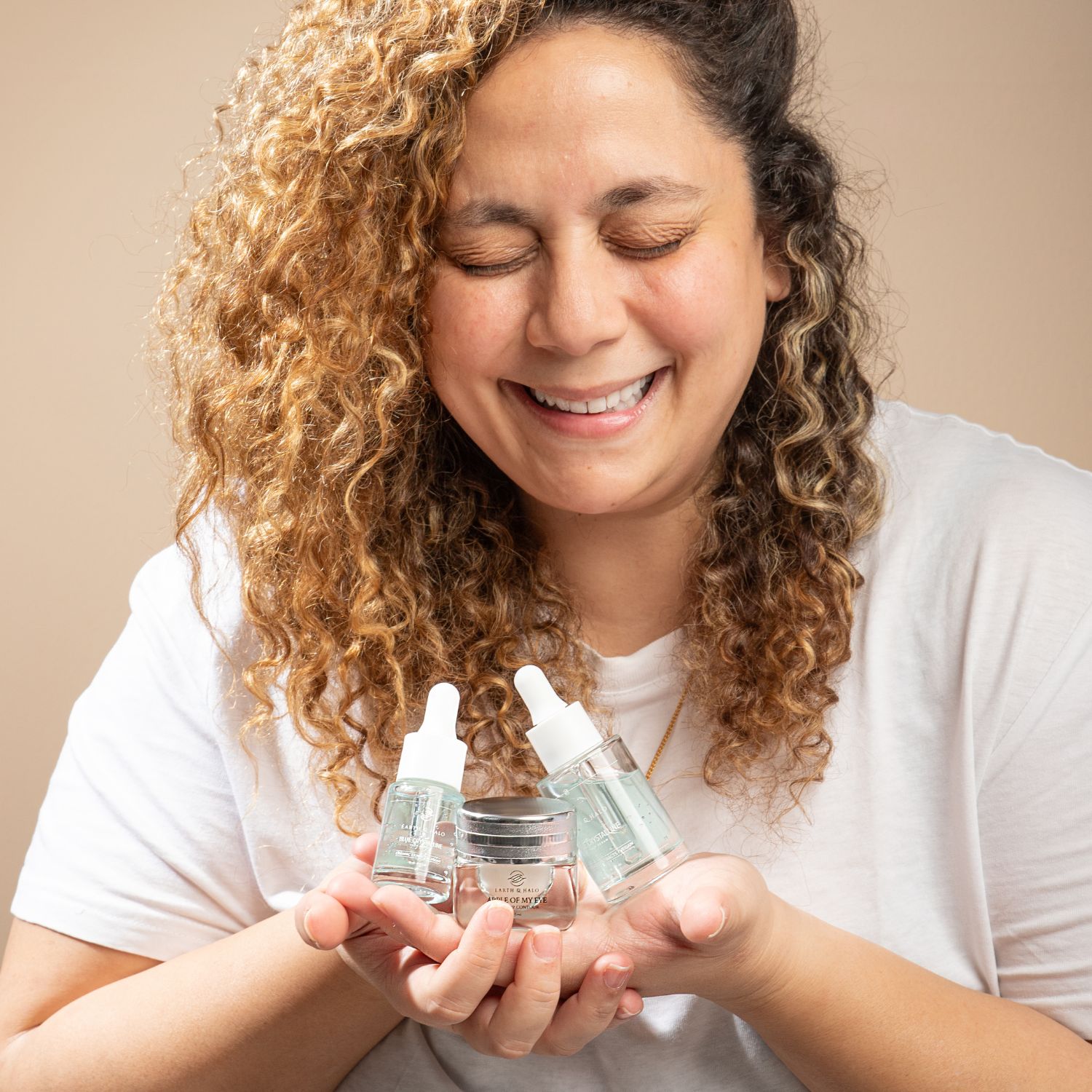
Key Sustainability Initiatives: Earth & Halo integrates sustainability into every aspect of its operations. The brand uses recyclable glass bottles, FSC-certified kraft boxes, and avoids wasteful fillers or outer packaging. All products are vegan, cruelty-free, and formulated with consciously sourced botanical actives. A tree is planted for every customer who posts using #EarthHaloTrees, and a portion of profits supports causes like ACLU, Greenpeace, and the Girls Opportunity Alliance. Earth & Halo is proof that premium skincare can be both results-driven and responsible.
Impactful Efforts: One of Earth & Halo’s most impactful sustainability efforts is its #EarthHaloTrees initiative, where a tree is planted every time a customer shares a photo or video using their products. This campaign not only helps combat deforestation but also turns everyday skincare routines into acts of environmental care. The brand also uses recyclable glass bottles and kraft FSC-certified boxes to reduce packaging waste without compromising on design. All formulas are vegan, cruelty-free, and made with ethically sourced ingredients, ensuring a conscious approach from lab to shelf. To further their mission, Earth & Halo donates a portion of profits to organizations like Greenpeace, It Gets Better, ACLU, and the Girls Opportunity Alliance.
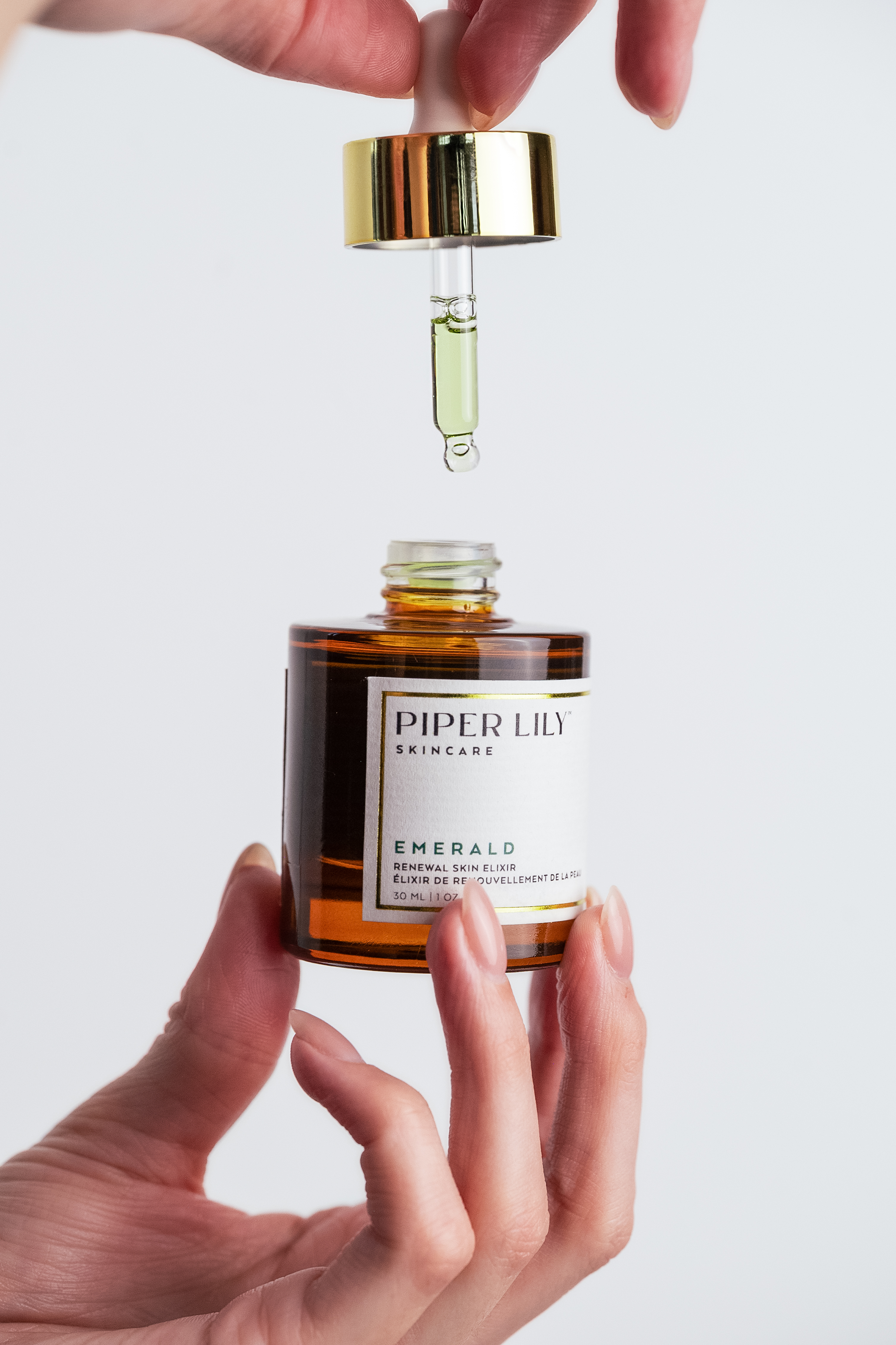
Key Sustainability Initiatives: Piper Lily™ Skincare embraces a circular economy, weaving sustainability into every enchanted step of its journey. The brand uses clean, organic, and biodegradable ingredients, each carefully chosen and 97% certified by EcoCert and Cosmos, ensuring a pure and planet-friendly touch. Packaging is designed to be reused and reborn, with high-quality glass and BPA-free lined aluminum bottles for refills, alongside local refill stations that invite customers to join the waste-reduction movement. Ethical sourcing is integral to the brand, utilizing sustainable biotechnology to extract plant stem cells from UNESCO-protected Moroccan Argan and employing precision climate vertical farming for ingredients like Gotu Kola. The magic continues with upcycled ingredients, like bilberry extract for rescued from the juicing industry, and precision climate vertical farming that grows ingredients sustainably. Water conservation flows through every formula, encouraging customers to reuse the water from their cleansing rituals. Proudly Leaping Bunny and CertClean certified, Piper Lily™ Skincare creates high-performance, eco-conscious beauty that nurtures the skin, the soul, and the Earth.
Impactful Efforts: PIPER LILY™ Skincare is redefining beauty through skinimalism, creating a powerful, ultra-concentrated elixir that transforms conventional skincare routines. The Emerald Renewal Elixir is designed to replace 11 beauty products, eliminating overconsumption which benefits the environment. While most products rely on just one or two active ingredients, this elixir harnesses the magic of 50 potent actives, delivering unparalleled results in a single, multitasking formula. Acting as a serum, moisturizer, eye cream, neck cream, hair oil, makeup primer, nail and cuticle oil, spot treatment, face massage oil, body oil, and cleansing oil, it simplifies skincare without compromising performance. By embracing high-performance botanicals and sustainable innovation, PIPER LILY™ Skincare removes the guesswork from beauty, providing a luxurious, transformative experience that nurtures both skin and the planet.
29. Biomama Skincare
Key Sustainability Initiatives: As a newly established brand, Biomama is excited about a promising future where their early sustainability efforts will positively impact the environment. They take great pride in the groundwork laid to launch their brand with sustainable packaging, demonstrating that eco and luxury can coexist, and that a perfect balance can be achieved between the needs of their mothers and that of the planet.
Impactful Efforts: Biomama's commitment to sustainability is woven into the very fabric of their newly launched business, a mission that began long before their first product. All product and packaging is locally sourced from Australian suppliers, ensuring that materials—from bottles and labels to mailers and marketing—are 100% recyclable or compostable, leaving only their bottle pumps as waste. Founder Lauren emphasises that when it comes to sustainability, every bit helps; that’s why they've chosen to only half-wrap their recyclable labels around their bottles, minimising unnecessary plastic waste. The durable design of Biomama bottles and labels reflects their future plans to offer refillable options for their eco-conscious mamas. Additionally, their extracts are sourced using green science principles, reinforcing their dedication to a sustainable future.

30. Auvê Beauty
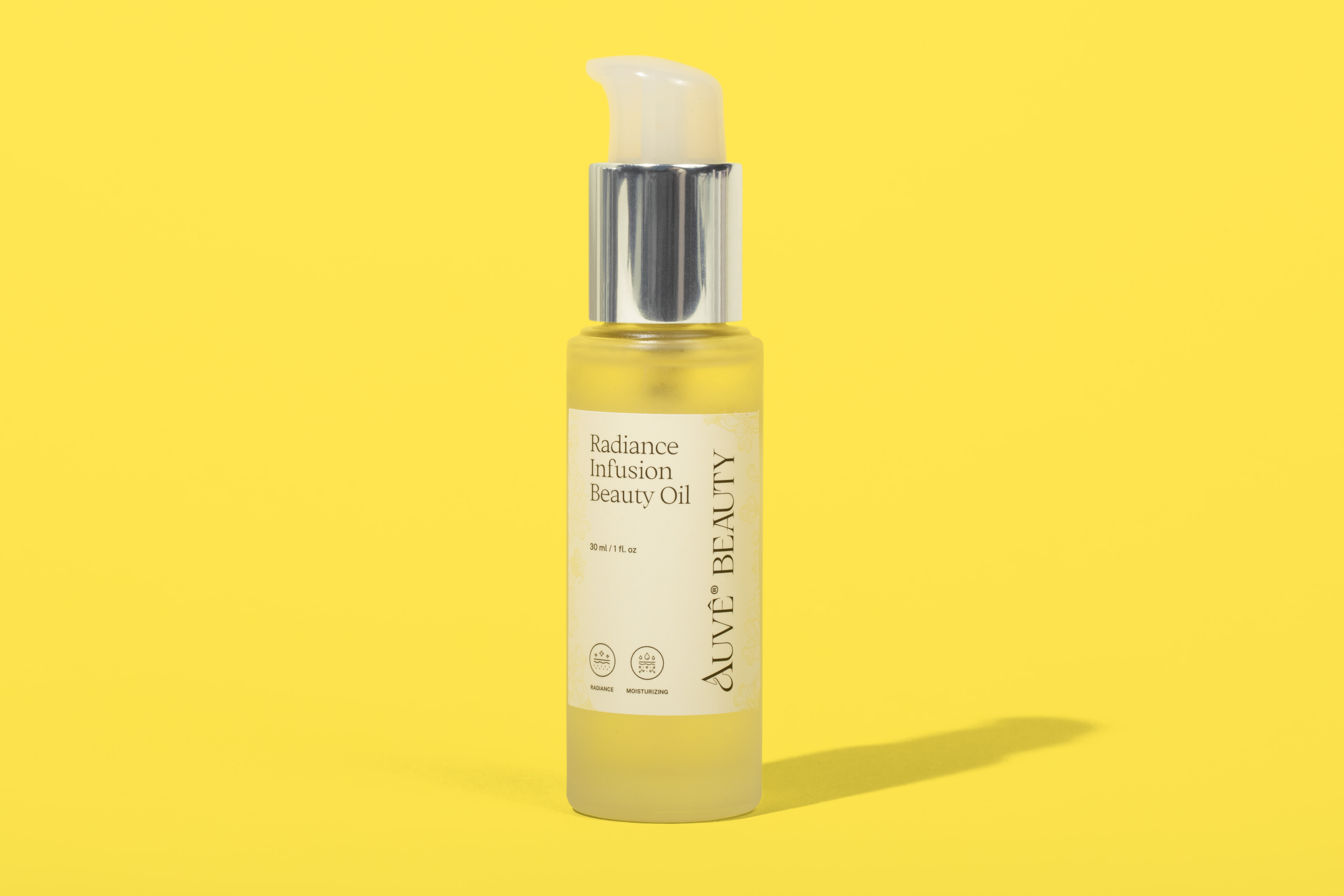
Key Sustainability Initiatives: Auvê Beauty is deeply committed to sustainability in both its packaging and product formulations. The brand has made a conscious choice to use glass packaging where possible and actively educates customers on how to recycle and upcycle. As part of its long-term vision, Auvê aims to transition its entire product line to glass, reducing plastic waste and encouraging eco-friendly practices. On the ingredient side, Auvê prioritizes using plant-based extracts, organic oils, and renewable resources, ensuring that every product is both effective and environmentally responsible. Transparency is key—Auvê is dedicated to sharing ingredient sourcing and formulation details with its customers. By thoughtfully considering each step of the process, from packaging to ingredients, Auvê Beauty is building a brand that aligns beauty with a more sustainable future.
Impactful Efforts: Auvê Beauty’s most impactful sustainability efforts focus on reducing waste and supporting conscious consumption. The brand aims to tackle packaging waste by using glass whenever possible and encouraging customers to recycle and upcycle with helpful tips inside each product package. Another key effort is sourcing ingredients that are not only effective but sustainably harvested, such as plant-based extracts and organic oils from renewable resources. By combining mindful packaging with responsibly sourced ingredients, Auvê is creating products that perform beautifully while minimizing environmental impact.
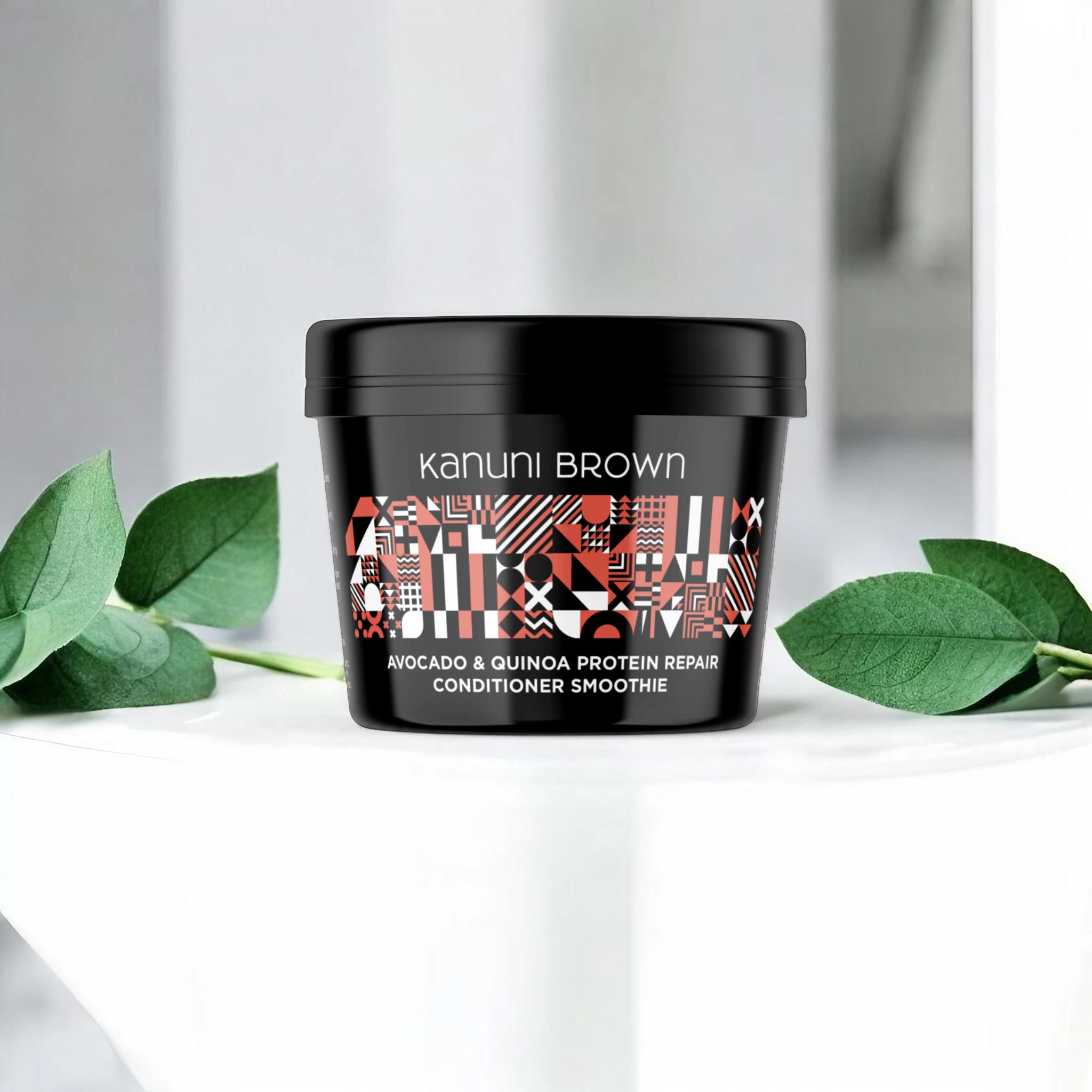
31. Kanuni Brown
Key Sustainability Initiatives: Kanuni Brown® is committed to sustainability by prioritizing eco-conscious ingredients and packaging. The brand carefully selects plant-based and ethically sourced ingredients that nourish textured hair while minimizing environmental impact. Packaging choices emphasize recyclable, reusable, or biodegradable materials to reduce waste. Kanuni Brown® also supports local suppliers and businesses whenever possible, reinforcing its commitment to community-driven sustainability. Additionally, the brand educates customers on sustainable hair care practices, empowering them to make eco-friendly choices. Through these initiatives, Kanuni Brown® blends holistic beauty with environmental responsibility.
Impactful Efforts: Kanuni Brown® aims to reduce plastic waste in the beauty industry by using recyclable and biodegradable packaging. Recognizing the environmental impact of traditional hair care containers, the brand carefully selects sustainable alternatives without compromising product integrity. Additionally, Kanuni Brown® prioritizes ethically sourced, plant-based ingredients, ensuring that each formula supports both hair health and environmental well-being. Through these efforts, the brand empowers customers to embrace a more sustainable hair care routine while minimizing their ecological footprint.
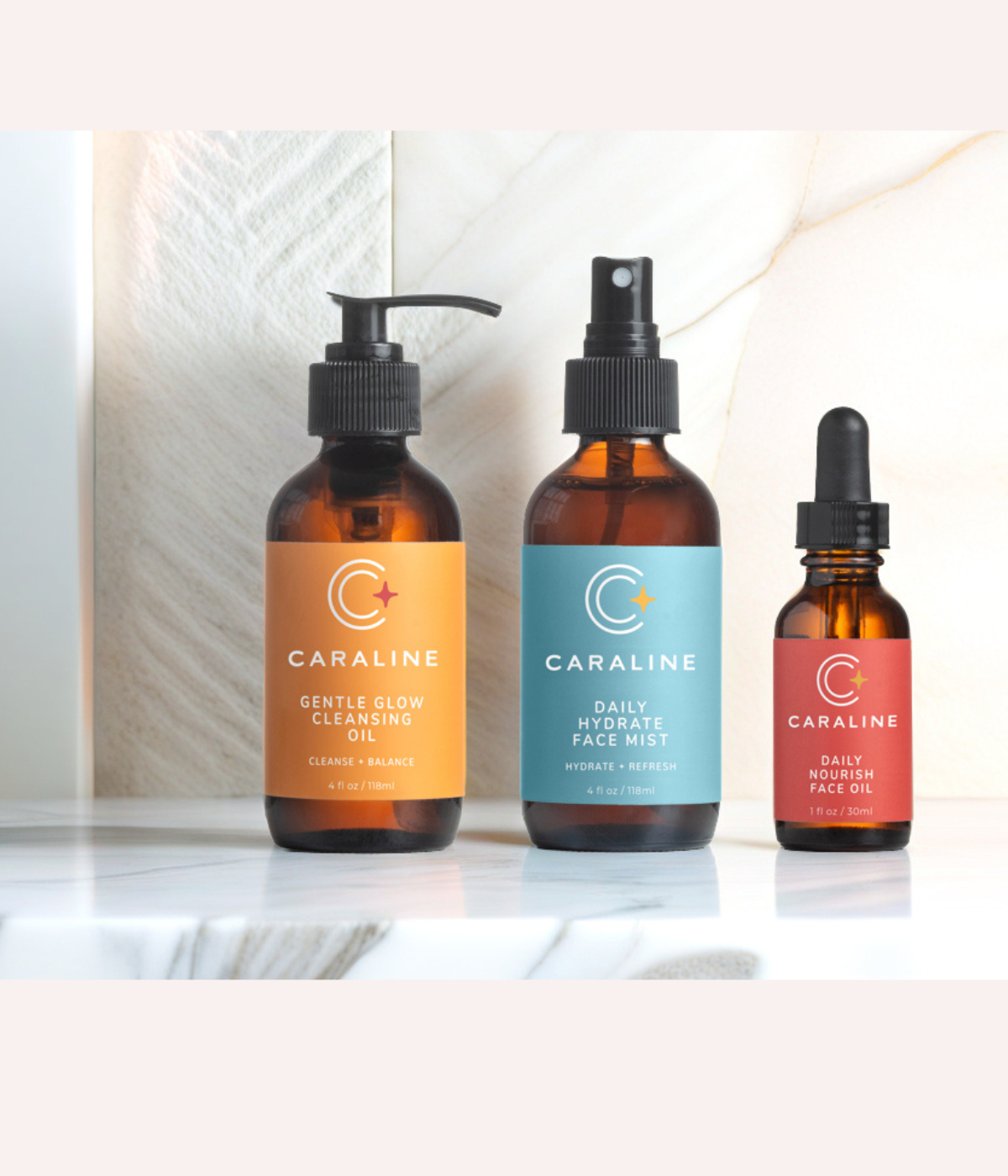
Key Sustainability Initiatives: Caraline Skincare approaches sustainability through small-batch production, responsible sourcing, and minimal packaging. All formulas are made with organic, plant-based, and vegan ingredients that are biodegradable and free from environmentally harmful additives such as sulfates, silicones, and synthetic fragrance. Packaging is intentionally simple: recyclable glass bottles, aluminum caps and sprayers, and paperboard cartons made with post-consumer materials. The brand avoids excess packaging, single-use plastics, and outer wraps wherever possible. Production is based in Colorado, reducing transport emissions and allowing for close oversight of ingredient quality and supply chain ethics. Caraline’s focus on sustainability is practical and consistent—prioritizing quality, longevity, and environmental responsibility at every step.
Impactful Efforts: Caraline Skincare’s sustainability efforts center on ingredient integrity and responsible packaging. The brand sources organic, plant-based oils and extracts from transparent suppliers who prioritize soil health, biodiversity, and ethical labor practices. Each formula is produced in small batches to minimize waste and ensure quality control. Packaging is intentionally minimal, using recyclable glass bottles, aluminum caps, and paperboard cartons made with post-consumer materials. By eliminating unnecessary components such as outer wraps and plastic inserts, Caraline reduces its environmental footprint while maintaining product integrity. Together, these choices reflect a commitment to sustainability that is practical, transparent, and built into every stage of production.
33. Mamas Medicinals
Key Sustainability Initiatives: Mamas Medicinals is committed to sustainability at every step. They source wild-harvested herbs responsibly, ensuring minimal environmental impact. Their products are packaged in Miron violet glass, which extends shelf life and reduces waste. They use only organic, cold-pressed oils and never include synthetic additives or fillers. Small-batch production minimizes excess and ensures quality. Their operations prioritize eco-friendly practices, from ingredient selection to packaging and shipping. As a family-run business, they are dedicated to preserving nature’s healing traditions while reducing their environmental footprint.
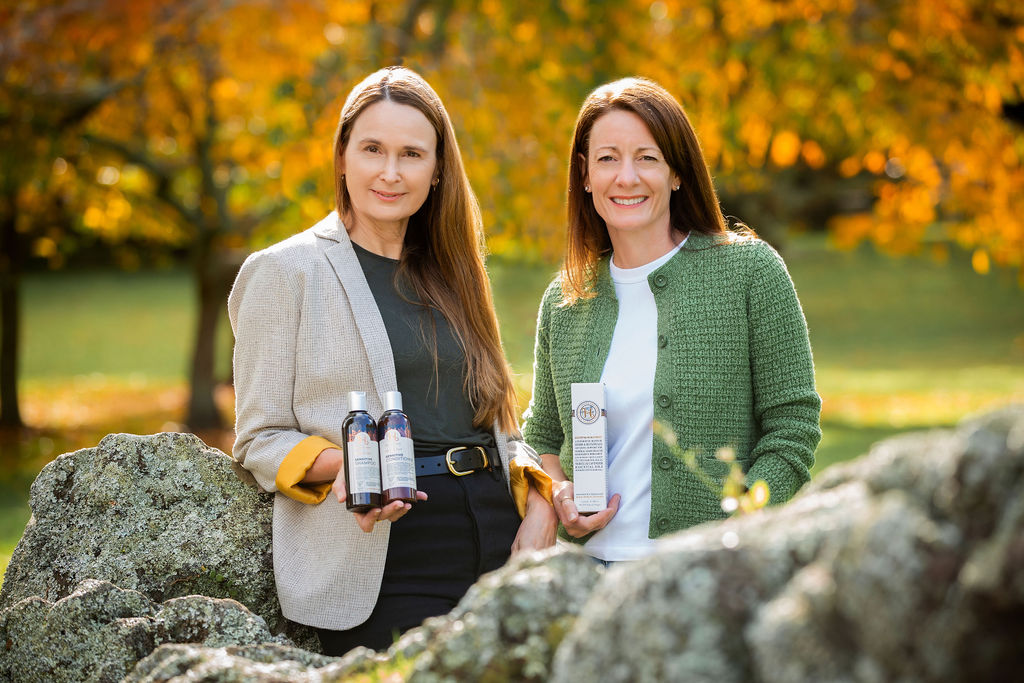
Impactful Efforts: Mamas Medicinals minimizes its environmental footprint by sourcing only organic, non-GMO ingredients and avoiding synthetic chemicals that harm ecosystems. Their slow, six-week infusion process maximizes potency without relying on harsh extraction methods, preserving the integrity of each botanical. By keeping production local and in-house, they reduce transportation emissions and ensure ethical, sustainable craftsmanship. The image attached show founder and her mom wild harvesting herbs

Key Sustainability Initiatives: bareLUXE Skincare is committed to sustainability through responsible packaging choices, environmental conservation efforts, and a science-driven approach to refillable beauty. The brand prioritizes eco-conscious materials, using Sulapac® biodegradable jars for its face scrub to reduce reliance on conventional plastics. Every purchase contributes to ocean conservation, with donations supporting coral reef restoration and plastic waste cleanup efforts. While bareLUXE strongly advocates for refillable beauty, real-world testing revealed that their refill system negatively impacted product freshness while offering only a minimal environmental benefit. As a result, the brand made the difficult but responsible decision to discontinue its current refill program, ensuring product integrity while continuing to explore sustainable packaging innovations. With a focus on quality, performance, and reducing overall waste, bareLUXE integrates sustainability into every aspect of its business.
Impactful Efforts: One of bareLUXE’s most impactful sustainability initiatives is its use of Sulapac® biodegradable packaging, which offers an alternative to conventional plastics that decomposes naturally without leaving harmful microplastics behind. This innovation aligns with the brand’s commitment to reducing plastic waste in the beauty industry. Additionally, bareLUXE’s donation-based model ensures that every purchase directly supports coral reef restoration and ocean plastic cleanup projects. By combining sustainable packaging with meaningful environmental contributions, the brand is making a tangible difference in protecting marine ecosystems.
35. Trillium Herbal Company Inc.
Key Sustainability Initiatives: Trillium Herbal Company is a pioneer in the clean beauty, pioneering Body Polish, the very first "Salt Scrub" to be created and offered for retail sale and home use in America. Trillium is one of the very first personal care brands to earn and hold the USDA certified Organic Seal (1999 - 2019). A founding signatory to the Campaign for Safe Cosmetics, Touted as a "Brand to Trust" by the Organic Consumers Association, Trillium has worked since 1994 to bring awareness to the dangers of conventional skin care and uplift natural and organic ingredients by offering innovative formulations made exclusively from clean safe inputs, shifting the paradigm of skincare from artificially accomplished results to an integral part of one's holistic lifestyle.
Impactful Efforts: Trillium Herbal Company paved the way for the USDA Organic Seal to be extended to personal care products. Trillium earned the seal in 1999, but in 2001, the USDA declared that the USDA Organic Program was limited to consumable food products. Trillium Herbal Company lobbied with the Organic Consumers Association, the Organic Trade Association to change that rule and won. It was an important step towards shifting the paradigm around personal care from an artificial means to achieve fad driven results to integration of personal care into one's overall wellness practice.
36. KAELEN HARWELL Organic Skincare Products
Key Sustainability Initiatives: Kaelen Harwell Organic Skincare Products is committed to sustainability through conscious ingredient sourcing, eco-friendly packaging, and ethical production practices. The brand prioritizes organic and natural ingredients, ensuring formulations are free from harmful chemicals that could negatively impact both the skin and the environment. Packaging is designed with sustainability in mind, utilizing recyclable materials and minimizing plastic waste whenever possible. Additionally, the company partners with responsible suppliers who align with its values of environmental stewardship. Manufacturing processes focus on reducing waste and conserving resources to lessen the overall carbon footprint. By continuously evaluating and improving its sustainability efforts, Kaelen Harwell Organic Skincare Products remains dedicated to creating high-performance skincare with a lower environmental impact.
Impactful Efforts: Kaelen Harwell Organic Skincare Products has made significant strides in reducing plastic waste by prioritizing eco-friendly packaging solutions. The brand has transitioned to using recyclable glass containers and biodegradable materials whenever possible, addressing the challenge of excessive plastic pollution in the beauty industry. Additionally, most products are received in a box without excess packaging, as the brand avoids unnecessary materials unless required for product protection. By sourcing organic and ethically harvested ingredients, the company also supports sustainable farming practices that protect biodiversity and reduce environmental impact. These initiatives reflect Kaelen Harwell’s commitment to creating high-performance skincare while minimizing its ecological footprint.
37. VOODOO Makeup
Key Sustainability Initiatives: To reduce its impact on the environment, Voodoo Makeup has put in place a number of important sustainability initiatives. The company emphasizes the use of ingredients that are sourced responsibly and makes sure that no toxic or dangerous substances are present in any of its products. Voodoo Makeup uses recyclable materials and cuts down on unnecessary waste in its package designs to prioritize environmentally friendly packaging. The business also backs programs that protect natural habitats and takes part in activities that encourage biodiversity. Voodoo Makeup is devoted to cruelty-free methods, making certain that no animals suffer during product testing. Voodoo Makeup hopes to make a beneficial impact on the environment and the beauty industry by incorporating these sustainable techniques.
Impactful Efforts: Voodoo Makeup has implemented significant sustainability initiatives to cut down on plastic waste in the cosmetics sector. The excessive amount of single-use plastic produced by conventional cosmetic packaging was one major issue the brand sought to address. Voodoo Makeup is helping to reduce landfill contributions and encourage customers to embrace more ecological practices by switching to packaging materials that are completely recyclable and biodegradable. In addition to encouraging environmental responsibility, this program establishes a benchmark that other brands can use to find environmentally responsible solutions.
Progress doesn’t happen all at once. It’s the result of consistent decisions, long-term planning, and a willingness to improve even when the work is complex. The brands featured here are proof that meaningful environmental action in clean beauty is possible—and already underway.
As consumers continue to look beyond labels and ask deeper questions about impact, transparency matters more than ever. Supporting brands that prioritize sustainability helps push the industry forward, one responsible decision at a time.
Each brand featured here entered their standout products into the 10th Clean Beauty Awards, where entries undergo 90 days of testing and evaluation by a judging panel of clean beauty advocates and industry experts. From skincare minimalists to bold, purposeful founders, these innovators are proving that clean beauty’s next generation is already here—and they’re making moves.
Next up, we’re spotlighting the Trailblazers—clean beauty brands that have carved out a strong identity over the past 5 to 10 years. These are the brands that have weathered trends, built loyal followings, and are now setting new standards in product performance and purpose!


